Discover how polyurethane insulated joint bars reduce wayside electrical interference, improve track circuit isolation, and support reliable rail signaling performance in modern high-traffic rail environments.

In modern rail operations, the track is no longer just a physical path; it is a sophisticated electrical network. While rail joints are often viewed purely as structural elements designed to connect sections of steel, they serve a far more complex purpose. In reality, insulated joint bars play a critical role in maintaining the electrical separation necessary for the entire system to function. When this isolation degrades, the negative effects ripple outward, extending beyond basic signaling issues and into the broader wayside electrical environment.
To meet the demands of today’s high-traffic rail networks, polyurethane insulated joint bars are increasingly utilized to maintain this vital isolation under rigorous operating conditions.
The Role of Insulated Joint Bars in Track Circuit Isolation
To understand why material choice matters, one must first look at the technical fundamentals of the track circuit. These circuits rely entirely on electrical isolation between rail sections to function correctly. Insulated joint bars are the primary tool used to maintain that separation, physically blocking unintended current flow from crossing from one rail section to another.
When this isolation is effective, it supports accurate train detection, consistent signaling reliability, and overall safe operations. Conversely, any degradation at the joint, even minor leakage, directly affects circuit performance and can lead to systemic failures.

How Electrical Isolation Degrades Over Time
Electrical isolation is under constant stress. Several real-world factors contribute to the eventual failure of traditional insulating materials:
- Environmental Stress: Moisture ingress is a primary culprit, leading to steady insulation breakdown over time.
- Mechanical Fatigue: The combination of vibration, extreme temperature cycling, and heavy axle loads accelerates the physical degradation of the joint.
- Material Failure: Traditional insulating materials are prone to “compression set”, where they permanently lose their shape, and cracking under the constant mechanical movement of the rail under load.
As these factors take their toll, even small isolation losses can introduce stray current and unwanted electrical noise into the system.
Electrical Interference at the Wayside
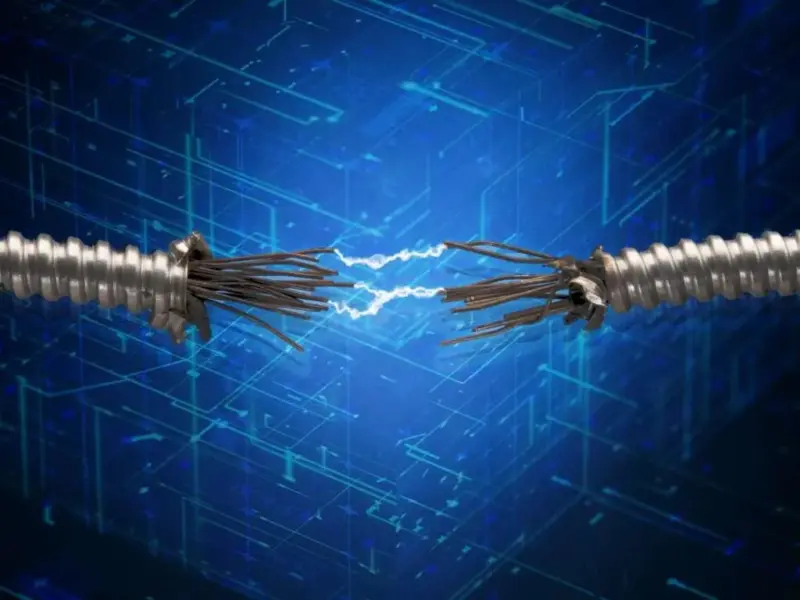
When isolation fails at a rail joint, its effects rarely remain confined to that single location. It creates new paths for stray current, which in turn introduces electrical interference into the surrounding wayside environment. This interference can negatively impact several critical systems:
- Signal Systems: Causing “phantom” occupancies or intermittent signal drops.
- Ground References: Compromising the integrity of electrical grounding.
- Wayside Electronics Cabinets: Creating a “noisy” environment for sensitive equipment.
This instability often manifests as intermittent or difficult-to-diagnose issues rather than a total, immediate failure, making it a persistent headache for maintenance teams.
Why Polyurethane Insulated Joint Bars Perform Differently
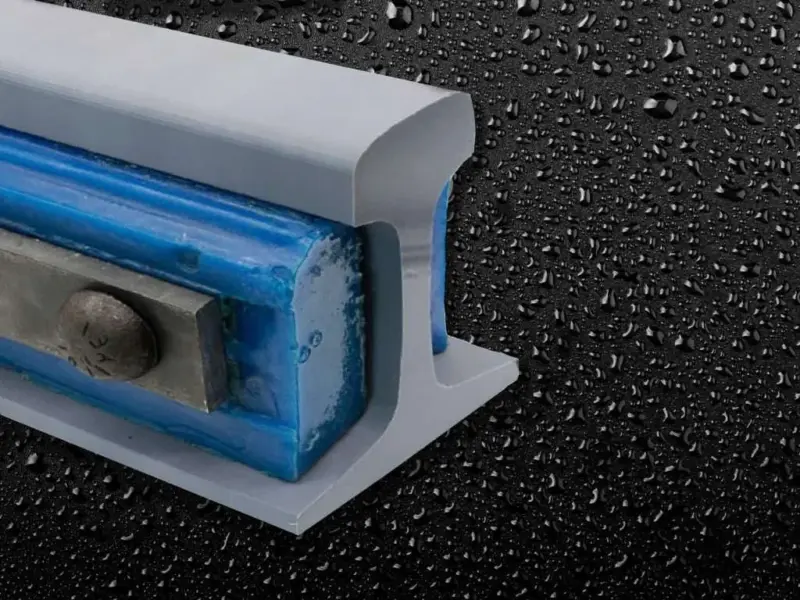
Polyurethane represents a significant material evolution in the fight against electrical interference. Unlike traditional composites that can be brittle, polyurethane insulated joint bars provide durable, non-conductive isolation that remains stable even under extreme mechanical loads.
Key performance advantages include:
- Moisture Resistance: It offers superior resistance to moisture ingress, preventing the most common cause of early isolation failure.
- Resilience: The material is highly resistant to cracking and compression set, maintaining its shape and insulating properties over much longer service intervals.
- Durability: It is specifically engineered to thrive in high-tonnage, high-vibration rail environments where other materials typically fail.
Supporting a Cleaner Electrical Environment at the Wayside
The primary goal of using polyurethane is to create a “cleaner” electrical environment. By providing stable, long-term track circuit isolation, these joint bars significantly reduce background electrical noise caused by stray current.
A cleaner electrical environment supports more stable signal performance and improved grounding consistency. Furthermore, it reduces the interference that can affect nearby wayside electronics. While these joint bars do not directly improve the accuracy of specific tools like AEI (Automatic Equipment Identification) readers, they are essential in preventing the upstream electrical issues that can degrade the overall reliability of sensitive wayside electronics.
Operational Benefits of Maintaining Long-Term Isolation
Investing in high-performance isolation translates directly into operational value for the railroad. By maintaining the integrity of the joint, operators see:
- Improved Reliability: Fewer track circuit anomalies and signal troubleshooting events.
- Efficiency: A reduced need for reactive, “emergency” joint maintenance or replacement.
- System Stability: Improved consistency in how wayside systems behave across the network.
- Faster Troubleshooting: When issues do arise, having reliable joints allows teams to diagnose problems faster by eliminating isolation failure as a potential variable.
- Cross-Functional Success: Better coordination between track, signal, and electronics teams as they work within a more stable infrastructure.
Why Isolation Integrity Matters More in Modern Rail Operations
The standards of the past are no longer sufficient for the realities of today. Increased traffic density and heavier axle loads place far more stress on traditional joint designs than they were ever intended to handle. At the same time, the expanded use of sophisticated wayside electronics has made the rail network more sensitive to electrical instability.
Modern rail networks depend on consistent, electrical environments to function. Consequently, insulated joint performance must match today’s operational demands, rather than relying on legacy materials that cannot keep pace with modern requirements.
Conclusion: Small Components, System-Level Impact
Though they may seem like small components in a massive infrastructure, polyurethane insulated joint bars are a critical foundation for maintaining electrical isolation. By providing reliable isolation, these joints reduce the noise and interference that can plague the wayside.
Ultimately, by protecting the electrical foundation of the track system, these joints support the stable signal operations and dependable electronics that keep the modern railroad moving. In our increasingly connected rail environment, maintaining isolation at the joint is a vital step in protecting performance across the entire system.
FAQs
What are polyurethane insulated joint bars?
Polyurethane insulated joint bars are rail joint components designed to maintain electrical isolation between track sections while withstanding heavy mechanical loads and harsh environmental conditions.
Why is electrical isolation important in rail systems?
Electrical isolation is essential for proper track circuit operation, accurate train detection, and reliable signaling performance.
How do insulated joint failures affect wayside systems?
Failed insulation can introduce stray current and electrical noise that disrupt signal systems, grounding integrity, and nearby wayside electronics.
Why is polyurethane better than traditional insulating materials?
Polyurethane offers superior moisture resistance, reduced compression set, and improved durability under vibration and heavy axle loads.
Do polyurethane insulated joint bars improve AEI reader accuracy?
They do not directly improve AEI reader accuracy, but they help maintain a cleaner electrical environment that supports reliable operation of sensitive wayside electronics.
This article was originally published by COMET Industries.