
Published: May 16, 2026
By: Adam Burns
In the early morning hours of March 1, 1910, the remote mountain hamlet of Wellington, Washington, became the site of one of the worst railroad disasters in United States history—and the deadliest avalanche on record in the country. A massive wall of snow, ice, rock, and timber thundered down Windy Mountain in the Cascade Range, sweeping two stranded Great Northern Railway trains and part of the town itself into the Tye River gorge 150 feet below. Within seconds, 96 people—35 passengers, 58 railroad employees, and three depot workers—perished under 40 to 70 feet of debris. Only 23 survivors were pulled from the wreckage in the immediate hours that followed.
The tragedy was not a freak accident born solely of nature’s fury. It unfolded against the backdrop of early 20th-century railroad ambition, relentless winter storms, and the perilous engineering choices made to conquer the Cascades. What began as a routine westbound journey from Spokane turned into a week-long ordeal of isolation, fear, and eventual catastrophe. The event forced sweeping changes in rail safety, reshaped a small mountain community, and left a haunting legacy that hikers can still trace today on the Iron Goat Trail.
The Iron Horse Conquers the Cascades
To understand the disaster, one must first grasp the audacious engineering feat that placed trains in harm’s way. James J. Hill’s Great Northern Railway, completed in 1893, was the only transcontinental line built without federal land grants. It relied on ruthless efficiency and bold engineering to link the Midwest with Puget Sound. The original route over Stevens Pass featured treacherous switchbacks that climbed and descended steep grades. Avalanches, rockslides, and deep snow were constant threats.
In 1900, Great Northern completed the 2.6-mile Cascade Tunnel to bypass the worst of the switchbacks. By 1909, the company had electrified the tunnel to eliminate deadly coal smoke, a forward-thinking move for the era. Yet the western portal near Wellington remained vulnerable. The town—little more than a cluster of bunkhouses, a depot, hotel, store, power plant, and a handful of homes—housed railroad crews and their families. Tracks here ran along a narrow ledge beneath Windy Mountain, with the Tye River canyon dropping sharply away. Snowsheds offered some protection, but the slopes above had been clear-cut for timber and scarred by locomotive-sparked fires, stripping away the natural anchors that once held snow in place.
The Storm That Trapped a Town
The disaster’s roots trace to a ferocious blizzard that struck the Cascades in late February 1910. Snow fell at rates of up to a foot per hour, creating drifts 20 to 30 feet high. On February 23, two trains left Spokane heading west: Passenger Train No. 25 (the Spokane Local/Seattle Express), carrying about 50 passengers in coaches and sleepers, and Fast Mail Train No. 27, loaded with mail cars and a smaller crew. Both were powered by a mix of steam and electric locomotives.
The trains cleared the Cascade Tunnel but halted just beyond Wellington when avalanches blocked the tracks ahead and behind. Crews worked around the clock with rotary snowplows, but the “Cascade cement”—heavy, wet snow mixed with timber and debris—proved too much. By February 26, telegraph lines failed, severing communication with the outside world. Passengers grew restless. Some braved the storm and hiked nine miles to the safer station at Scenic. Most remained, sheltering in the overheated cars or the town’s bunkhouses. Women and children huddled together; men played cards or stared into the whiteout.
On February 28, the weather shifted dramatically. Temperatures rose, turning snow to rain. Thunder and lightning cracked across the peaks. More slides rumbled down the mountains, boxing the trains in tighter. Passengers reported an eerie calm punctuated by the distant roar of avalanches. One survivor later recalled the growing terror: avalanches missing them repeatedly but increasing the sense of doom.
The Night of White Death
Just after 4:20 a.m. on March 1, the mountain unleashed its fury. A lightning strike and thunderclap high on Windy Mountain triggered a colossal avalanche—half a mile long, a quarter-mile wide, and roughly 14 feet thick, carrying an estimated 10 acres of snow, boulders, and uprooted trees. Charles Andrews, a Great Northern employee walking toward a bunkhouse, witnessed the horror:
“White Death moving down the mountainside above the trains. Relentlessly it advanced, exploding, roaring, rumbling, grinding, snapping—a crescendo of sound that might have been the crashing of ten thousand freight trains. It descended to the ledge where the side tracks lay, picked up cars and equipment as though they were so many snow-draped toys, and swallowing them up, disappeared like a white, broad monster into the ravine below.”
The avalanche slammed into the trains with unimaginable force. Cars were lifted, rolled, and hurled 150 feet down the gorge, smashing against trees and rocks before being buried. One conductor described being flung from the roof to the floor of a mail car multiple times as the train tumbled before disintegrating against a massive tree. The fast-mail car split in half; 19-year-old clerk Alfred Hensel survived only because he had chosen to sleep at the far end from his eight coworkers, all of whom perished.
The slide also destroyed part of Wellington itself, crushing bunkhouses and the depot. Three railroad employees sleeping in cabins were killed instantly. In total, 96 lives were lost. Among the dead were entire families: George L. Beck (40), his wife Ella (30), and their children Erma (4), Harriet (6), and Leonard (2); attorney Richard M. Barnhart, survived only by his wife and infant; and dozens of railroad men—brakemen, firemen, mail clerks, and engineers—whose names fill long columns in contemporary newspapers.
Survival, Rescue, and Heartbreak
Locals in Wellington—railroad families who had endured the same storm—rushed to the site within minutes. They clawed through 40–70 feet of snow and debris by hand and with improvised tools. Over several harrowing hours, they freed 23 survivors, many badly injured with broken bones, internal injuries, and frostbite. The injured were tobogganed to what remained of the town and cared for in the small hospital by local women.
News reached the outside world slowly. On March 2, rescue parties arrived, swelling the workforce to 150 volunteers. Bodies were recovered one by one, wrapped, and sledded down the mountain to waiting trains for transport to Everett and Seattle. The grim work continued for weeks; the last victim was not found until July, when melting snow finally revealed the wreckage.
Survivors’ accounts painted a picture of chaos and improbable fortune. The Gray family—John, Anna, and their 18-month-old son Varden—were rescued with injuries but survived. Others spoke of the train cars being tossed like toys, passengers screaming as they tumbled through the air. One mail clerk survived solely because the avalanche sheared his car in two, leaving him in the intact half.
Investigation, Blame, and Lessons Learned
A coroner’s inquest followed, fueled by public outrage, labor unions, and survivor lawsuits. The immediate trigger was deemed an “act of God”—rain-soaked snow shaken loose by thunder. Yet critics pointed to human factors: insufficient coal and supplies left on the trains, low wages that may have affected crew vigilance, and the decision to park the trains in a known avalanche chute. Clear-cutting and locomotive fires had denuded the slopes, removing natural barriers. Great Northern was never held legally liable; most claims were settled humanely out of court. One high-profile $40,000 suit on behalf of a child who lost his father was initially won but later reversed on appeal.
In response, the railroad invested millions in safety. By 1913, nine miles of snowsheds protected the tracks between Scenic and Tye (the town’s new name, chosen to erase the stigma of “Wellington”). A second avalanche in 1916 near Corea killed eight more, underscoring the risks. Ultimately, Great Northern bored a new, safer 7.8-mile Cascade Tunnel that opened in 1929, bypassing the old grade entirely. The abandoned line became the Iron Goat Trail, a popular hiking path today where visitors can see the crumbling snowsheds and imagine the terror of that March night.
A Legacy Carved in Snow and Stone
The Wellington Avalanche remains Washington State’s deadliest natural disaster and one of America’s worst train wrecks. It claimed more lives than many famous maritime or mining disasters of the era. Headstones for victims dot cemeteries from Spokane to Seattle, including Mount Pleasant Cemetery in Queen Anne, where 18 lie buried, some unidentified. Families like the Becks and Barnharts were shattered in an instant; railroad widows raised children alone while the nation moved on.
Yet the disaster drove progress. It highlighted the limits of early avalanche forecasting and the dangers of unchecked development in mountain terrain. Modern rail lines through the Cascades use sophisticated monitoring, reinforced tunnels, and extensive snowsheds—innovations born, in part, from the lessons of Wellington.
Today, the site is quiet. Hikers on the Iron Goat Trail pass interpretive signs and rusted rails. The old tunnel portal echoes with wind rather than screams. But the mountain remembers. In the words of Charles Andrews, the “White Death” came without warning, reminding us that even the mightiest machines of the industrial age remain at the mercy of nature’s raw power.
The Wellington Avalanche was not merely a tragedy of 1910. It was a defining moment in the conquest of the American West—a stark illustration of ambition’s cost and the enduring fragility of human endeavor against the immovable forces of the Cascade Mountains. In an era of unprecedented technological confidence, it served as a solemn warning: some slopes are not meant to be tamed, only respected.

-
LS&I Railroad Timetables (January, 1930)
May 17, 26 12:17 AM
Featured here is the Lake Superior & Ishpeming Railroad’s timetable listing from the January, 1930 edition of the “Official Guide Of The Railways.”
-
The Wellington Avalanche: One Of America’s Deadliest Train Disasters
May 16, 26 11:31 PM
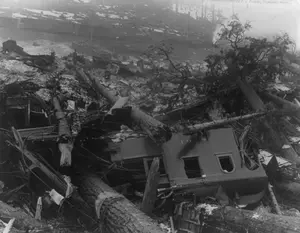
The Wellington Avalanche was the deadliest such disasters in the U.S. and one of the worst railroad accidents of all time resulting in 96 deaths in 1910.
-
International-Great Northern Timetables (January, 1910)
May 16, 26 01:44 PM
Featured here is the International-Great Northern’s timetables listed in the January, 1910 edition of the “Official Guide Of The Railways.”
-
Illinois Terminal Timetables (January, 1930)
May 16, 26 12:08 PM
Covered here is the Illinois Terminal’s timetables from the January, 1930 edition of the “Official Guide Of The Railways.”
-
Grand Trunk Western Timetables (August, 1952)
May 16, 26 11:58 AM
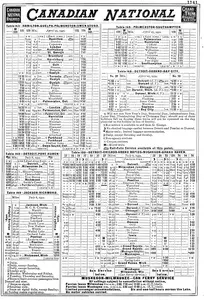
Included here is the Grand Trunk Western’s timetable listing from the August, 1952 edition of the “Official Guide Of The Railways.”
-
Florida ‘Beer Tasting’ Train Rides
May 16, 26 11:18 AM
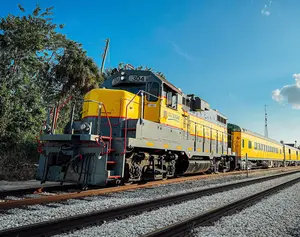
Among the Sugar Express’s most popular “kick off the weekend” events is Sunset & Suds—an adults-focused, late-afternoon ride that blends countryside scenery with an onboard bar and a laid-back social…
-
Illinois ‘Beer Tasting’ Train Rides
May 16, 26 11:16 AM
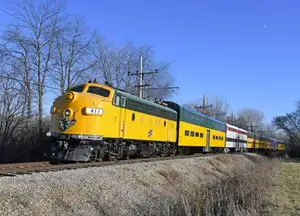
Among IRM’s newer special events, Hops Aboard is designed for adults who want the museum’s moving-train atmosphere paired with a curated craft beer experience.
-
Wisconsin ‘Beer Tasting’ Train Rides
May 16, 26 11:14 AM
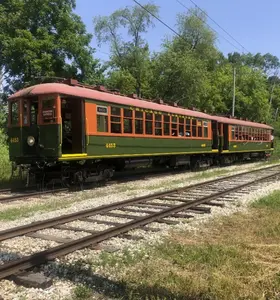
The East Troy Railroad Museum’s Beer Tasting Train, a 2½-hour evening ride designed to blend scenic travel with guided sampling.
-
Minnesota ‘Murder Mystery’ Dinner Train Rides
May 16, 26 11:12 AM
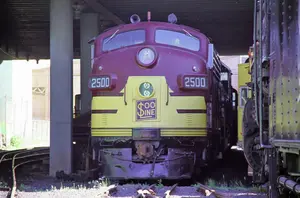
Murder mystery dinner trains offer an enticing blend of suspense, culinary delight, and perpetual motion, where passengers become both detectives and dining companions on an unforgettable journey.
-
Georgia ‘Murder Mystery’ Dinner Train Rides
May 16, 26 11:10 AM
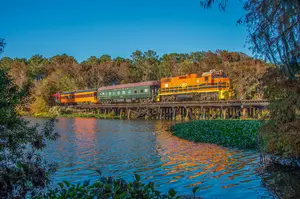
In the heart of the Peach State, a unique form of entertainment combines the thrill of a murder mystery with the charm of a historic train ride.
-
Vermont ‘Wine Tasting’ Train Rides
May 16, 26 11:07 AM
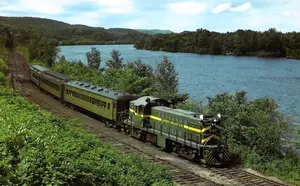
Known for its stunning green mountains, charming small towns, and burgeoning wine industry, Vermont offers a unique experience that seamlessly blends all these elements: wine tasting train rides.
-
Rhode Island ‘Wine Tasting’ Train Rides
May 16, 26 11:05 AM
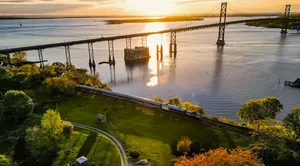
It may the smallest state but Rhode Island is home to a unique and upscale train excursion offering wide aboard their trips, the Newport & Narragansett Bay Railroad.
-
AHRS Receives UP SD40-2 3593 “Desert Victory”
May 16, 26 10:59 AM
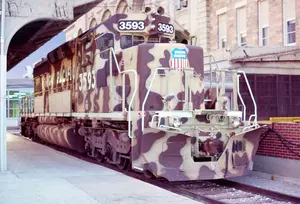
The American Heartland Railroad Society is pleased to announce the donation of the historic Union Pacific SD40-2 #3593, also known as Desert Victory, from the Rapid City, Pierre and Eastern Railroad.
-
Green Bay & Western Timetables (March, 1940)
May 16, 26 10:05 AM
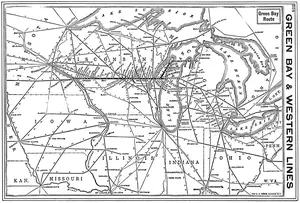
Featured here is the Green & Western Railroad’s brief timetable listing from the March, 1940 edition of the “Official Guide.”
-
EJ&E Railway Timetables (January, 1930)
May 15, 26 11:40 PM
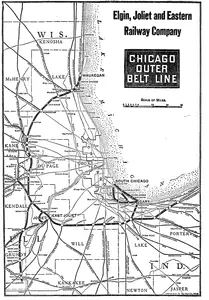
Featured here is the Elgin, Joliet & Eastern Railway’s timetables presented in the January, 1930 edition of the “Official Guide.”
-
Duluth, Winnipeg & Pacific Timetables (January, 1930)
May 15, 26 11:26 PM
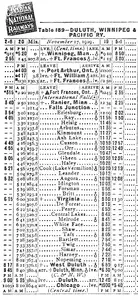
Covered here is the Duluth, Winnipeg & Pacific Railway’s brief timetable listing from the January, 1930 edition of the “Official Guide.”
-
Historic B&O Station In Wheeling Reborn
May 15, 26 02:27 PM
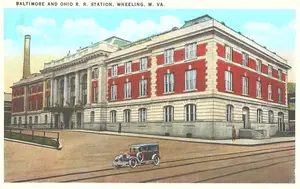
On a crisp May morning in 2026, state officials, college leaders, and community members gathered outside the stately French Renaissance-style building that has anchored downtown Wheeling for more than…
-
Fort Worth and Denver Railway: The “Denver Road”
May 15, 26 01:10 PM
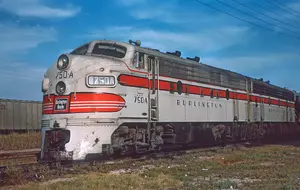
The Fort Worth and Denver Railway (reporting mark FWD), nicknamed “the Denver Road,” was a Class I American railroad that operated primarily in northern Texas from 1881 to 1982.
-
Rio Grande 2-8-0 340 To Operate On The Durango & Silverton
May 15, 26 12:28 PM
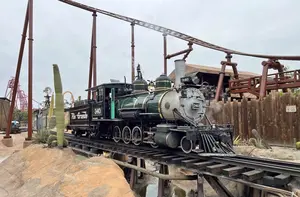
The Durango & Silverton Narrow Gauge Railroad is thrilled to announce a once-in-a-generation homecoming: former Denver & Rio Grande Western (D&RGW) 2-8-0 340 will operate on its original Colorado narr…
-
Georgia ‘Dinner Train’ Rides At Nashville
May 15, 26 12:15 PM
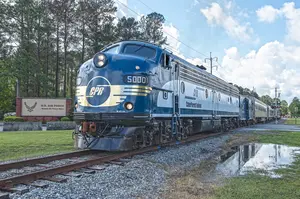
If you’ve ever wished you could slow down, trade traffic for jointed rail, and let a small-town landscape roll by your window while a hot meal is served at your table, the Azalea Sprinter delivers tha…
-
Kentucky ‘Dinner Train’ Rides From Bardstown
May 15, 26 12:14 PM
The essence of My Old Kentucky Dinner Train is part restaurant, part scenic excursion, and part living piece of Kentucky rail history.
-
Michigan ‘Dinner Train’ Rides In Owosso
May 15, 26 12:09 PM
The Steam Railroading Institute is best known as the home of Pere Marquette #1225 and even occasionally hosts a dinner train!
-
Arizona ‘Dinner Train’ Rides In Williams
May 15, 26 11:58 AM
While the Grand Canyon Railway does not offer a true, onboard dinner train experience it does offer several upscale options and off-train dining.
-
Colorado ‘Murder Mystery’ Dinner Train Rides
May 15, 26 11:53 AM
Nestled among the breathtaking vistas and rugged terrains of Colorado lies a unique fusion of theater, gastronomy, and travel—a murder mystery dinner train ride.
-
South Dakota ‘Murder Mystery’ Dinner Train Rides
May 15, 26 11:51 AM
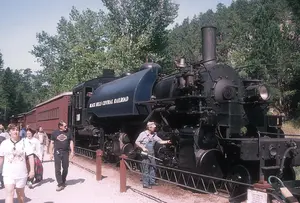
While the state currently does not offer any murder mystery dinner train rides, the popular 1880 Train at the Black Hills Central recently hosted these popular trips!
-
DM&IR Railroad Timetables (March, 1940)
May 15, 26 12:25 AM
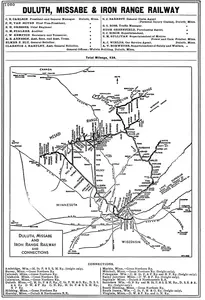
Highlighted here is the Duluth, Missabe & Iron Range’s timetable listing from the March, 1940 edition of the “Official Guide Of The Railways.”
-
Detroit, Toledo & Ironton Timetables (January, 1930)
May 15, 26 12:17 AM
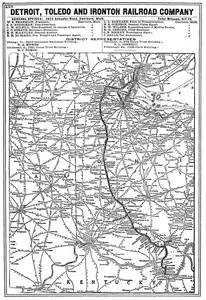
Featured here is the Detroit, Toledo & Ironton Railroad’s timetable listing from the January, 1930 edition of the “Official Guide Of The Railways.”
-
The Wreck of PRR’s “The Federal” At Washington Union Station
May 15, 26 12:09 AM
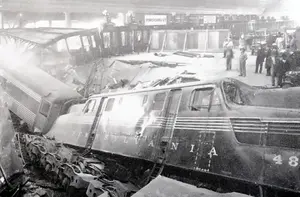
On the morning of January 15, 1953 Washington Union Station became the scene of one of the most spectacular yet miraculously non-fatal train wrecks in American railroad history.
-
Detroit & Mackinac Timetables (January, 1930)
May 14, 26 04:13 PM
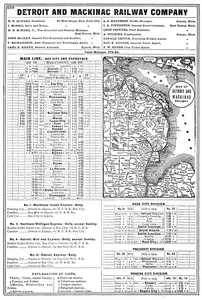
Featured here is the Detroit & Mackinac Railway’s brief timetable listing from the January, 1930 edition of the “Official Guide Of The Railways.”
-
Friends of the 261 to Host Exclusive Charity Dinner
May 14, 26 02:34 PM
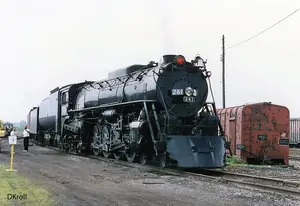
Friends of the 261, the nonprofit organization dedicated to preserving and operating historic rail equipment, invites the public to celebrate railroading heritage with a special evening charity dinner…
-
BNSF Unveils “America250” Heritage Locomotives
May 14, 26 02:06 PM
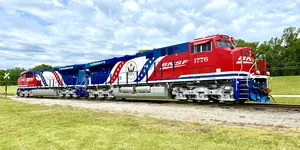
BNSF Railway today rolled out three specially painted locomotives honoring America’s 250th birthday, featuring bold red, white, and blue liveries and the official America250 logo.
-
Wisconsin ‘Murder Mystery’ Dinner Train Rides
May 14, 26 12:18 PM
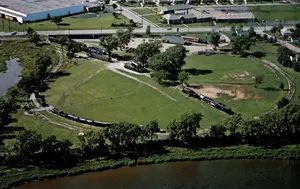
Whether you’re a fan of mystery novels or simply relish a night of theatrical entertainment, Wisconsin’s murder mystery dinner trains promise an unforgettable adventure.
-
Missouri ‘Murder Mystery’ Dinner Train Rides
May 14, 26 12:17 PM
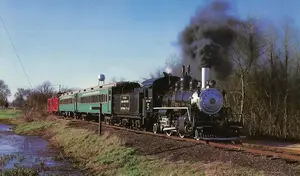
Missouri, with its rich history and scenic landscapes, is home to one location hosting these unique excursion experiences.
-
Maryland – Whiskey Tasting – Train Rides
May 14, 26 12:15 PM
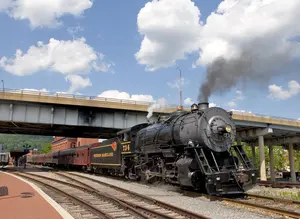
You can enjoy whiskey tasting by train at just one location in Maryland, the popular Western Maryland Scenic Railroad based in Cumberland.
-
California – Whiskey Tasting – Train Rides
May 14, 26 12:13 PM
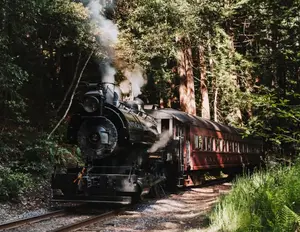
There is currently just one location in California offering whiskey tasting by train, the famous Skunk Train in Fort Bragg.
-
Oregon ‘Wine Tasting’ Train Rides
May 14, 26 11:43 AM
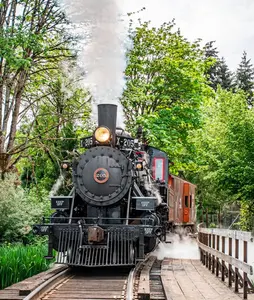
For those looking to explore this wine paradise in style and comfort, Oregon’s wine tasting trains offer a unique and enjoyable way to experience the region’s offerings.
-
Virginia ‘Wine Tasting’ Train Rides
May 14, 26 11:29 AM
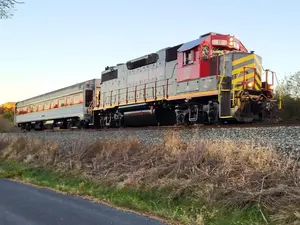
Wine tasting trains in Virginia provide just that—a unique experience that marries the romance of rail travel with the sensory delights of wine exploration.
-
South Shore Line Timetables (August, 1952)
May 14, 26 11:25 AM
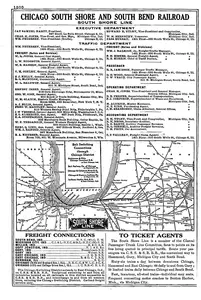
Included here is the Chicago, South Shore & South Bend Railroad’s timetable listing from the August, 1952 edition of the “Official Guide.”
-
Chicago & Illinois Midland Timetables (March, 1933)
May 13, 26 07:15 PM
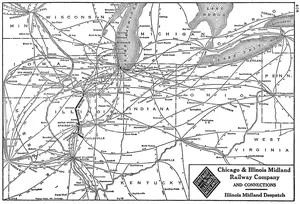
Included here is the Chicago & Illinois Midland’s two-page listing from the March, 1933 edition of the “Official Guide of the Railways.”
-
Scenic Dinner Train Rides (2026): A Complete Guide
May 13, 26 01:57 PM
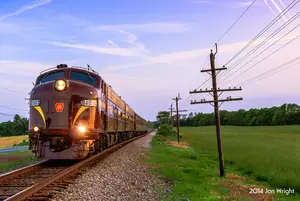
Dinner trains have become a popular attraction in recent years. Here, you can find dates and locations for these events in 2025.
-
Railroad Museums In The USA (2026): A Complete Guide
May 13, 26 01:56 PM
Find out about all of the many railroad museums that operate around the United States, which work to keep alive our nation’s history with trains.
-
Pennsylvania “Father’s Day” Train Rides
May 13, 26 12:53 PM
This state offers a unique way to celebrate Father’s Day with unforgettable train rides that combine history, stunning landscapes, and a dash of nostalgia.
-
New York “Father’s Day” Train Rides
May 13, 26 12:52 PM
If you’re looking to make this day memorable, consider taking a scenic train ride with your dad through the beautiful landscapes of New York State.
-
Texas Father’s Day Train Rides
May 13, 26 12:50 PM
In Texas, Father’s Day can be made unique by combining the nostalgia and charm of train rides with the grandeur of the Texas landscape.
-
Alabama – Murder Mystery – Dinner Train Rides
May 13, 26 12:49 PM
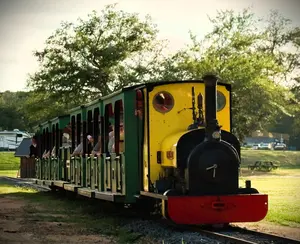
There is currently one location in the state offering a murder mystery dinner experience, the Wales West Light Railway!
-
Pennsylvania – Whiskey Tasting – Train Rides
May 13, 26 12:38 PM
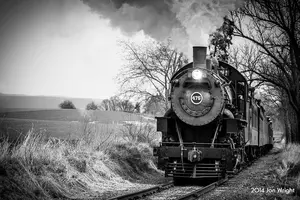
For whiskey aficionados and history buffs alike, a train ride through the Keystone State offering such spirits provides a unique and memorable experience.
-
Tennessee ‘Wine Tasting’ Train Rides
May 13, 26 12:35 PM
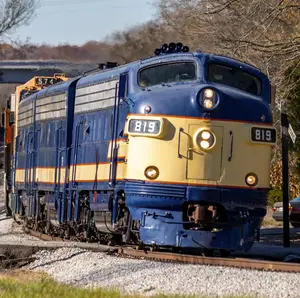
One of the most unique and enjoyable ways to savor the flavors of Tennessee’s vineyards is by train aboard the Tennessee Central Railway Museum.
-
North Carolina ‘Wine Tasting’ Train Rides
May 13, 26 12:32 PM
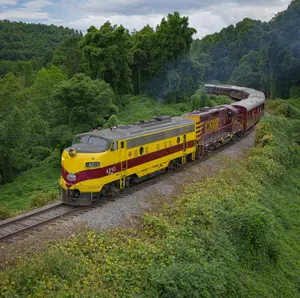
A noteworthy way to explore North Carolina’s beauty is by hopping aboard the Great Smoky Mountains Railroad and sipping fine wine!
-
Reading & Northern Showcases “America250” Caboose
May 13, 26 12:04 PM
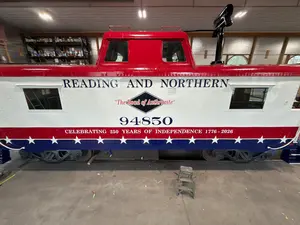
The Reading & Northern has unveiled repainted PRR N-8 caboose #94850 in “America250” colors. The car made its first run on May 8, 2026.
-
Chicago & Eastern Illinois Timetables (August, 1952)
May 13, 26 11:50 AM
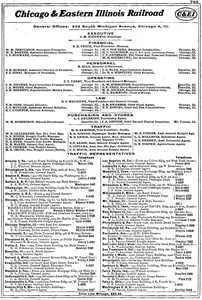
Covered here is the Chicago & Eastern Illinois Railroad’s complete timetable listing from the August, 1952 edition of the “Official Guide.”