Digital transformation in rail depends on more than new tools. Without integrated, trusted data, even the most advanced systems struggle to deliver value, leaving organisations exposed to hidden cost and risk, writes Adam Medley, Head of Operations at Rail BI.
Modern rail networks rely on vast volumes of operational, maintenance and asset data, and yet much of it still sits in isolated spreadsheets, outdated databases and departmental silos.
There are many reasons why data silos persist in the rail sector, even as digitalisation progresses. In this industry many assets are expected to last 30–50 years, for example, which can lead to layers of incompatible technologies as organisations bolt new monitoring systems onto legacy platforms.
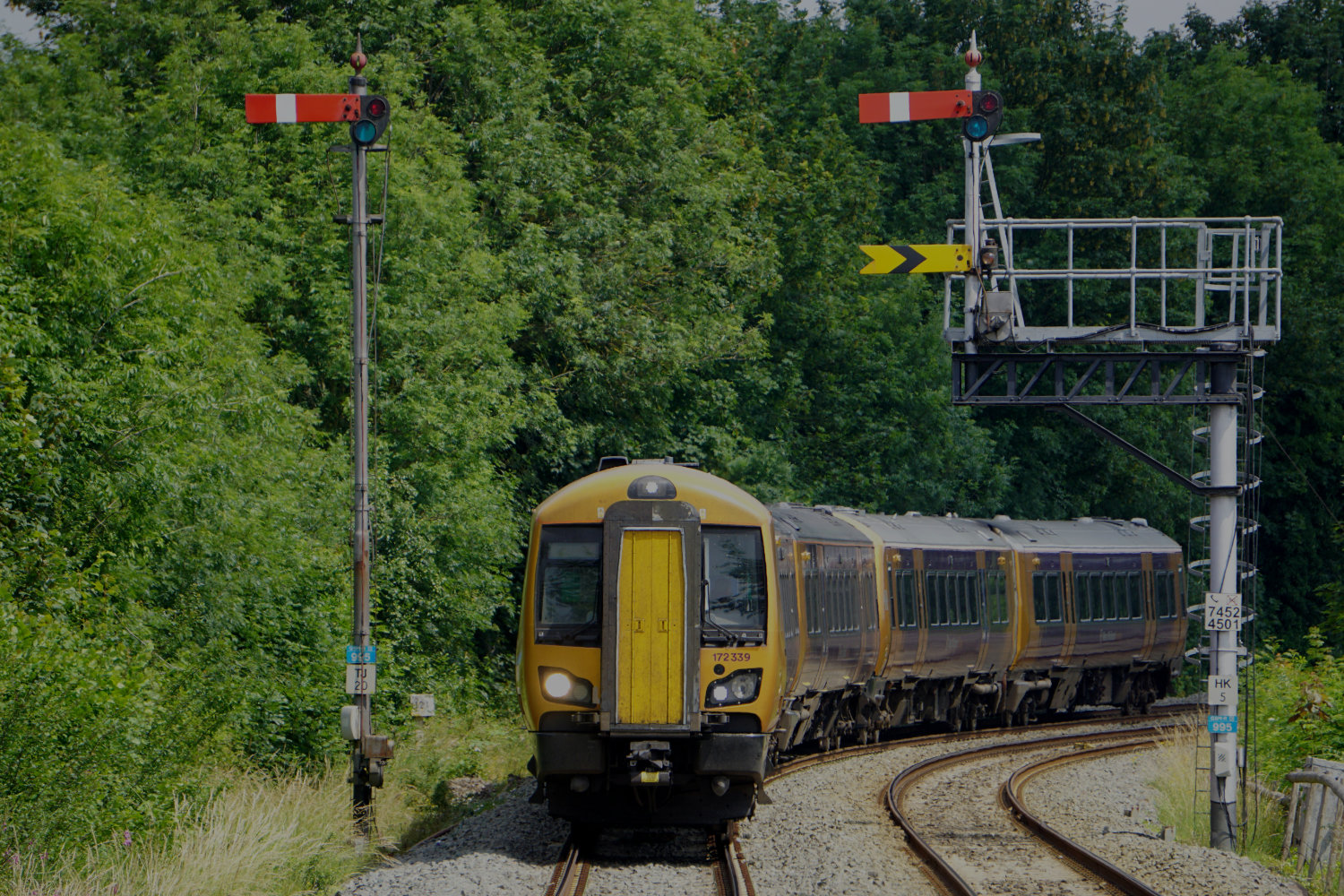 Then there are departmental divisions to overcome. Signalling systems differ to track or telecoms, which makes standardisation across departments hard. Vendor lock-in can compound the problem, with proprietary systems struggling with interoperability, while cost barriers result in a lack of investment in middleware that could start to build bridges between departments and systems.
There’s also the fact that things can move slowly in the rail industry – in some cases understandably, due to the need for safety and the regulations and compliance that ensure it. Paired with a fear of losing control or accountability through integration leading to cultural resistance, all these factors help explain why fragmented data environments remain so deeply embedded across the sector.
The Real-World Consequences of Data Silos
This lack of integration is a problem, as fragmented data flows can directly undermine safety, performance and maintenance planning, often without operators realising the scale of the risk. Without a unified single source of truth, inconsistencies creep into workbanks, maintenance teams duplicate efforts, forecasting becomes unreliable and decision-makers struggle to justify investment or renewal programmes.
Fragmented and incomplete datasets often distort asset management decisions in ways that aren’t immediately visible. Without a full picture of asset condition and performance, organisations risk replacing assets too early or too late, while the absence of reliable historical data limits the ability to identify degradation patterns and predict future failures.
This weakens predictive maintenance capabilities and can allow minor issues to go unnoticed until they escalate into unplanned outages or emergency repairs. At a strategic level, investment and renewal decisions may be based on flawed assumptions, while incomplete records can also increase exposure in the event of incidents or legal challenges, where robust data trails are essential. Emergency interventions typically carry a significantly higher cost than planned maintenance, both in direct spend and in service disruption.
Poor data integration also undermines effective planning and coordination across disciplines. Where teams lack visibility of each other’s work programmes, opportunities to combine activities are often missed. It’s not uncommon for a line to be closed for signalling upgrades, only for further works to be required months later on telecoms or the track, for example. With a unified view of planned activities, this work could be aligned into a single shutdown, reducing disruption to passengers and avoiding repeated compensation payments to train companies. Each additional closure brings added compensation payments to train operators, increased labour costs and further disruption to passengers.
 Knock-on Effects
The knock-on effects are particularly evident in maintenance planning and workbank accuracy. Incomplete or siloed data leads to degradation models that fail to reflect real-world conditions, while interdependencies between assets are overlooked. This can result in conflicting priorities, inefficient allocation of budgets and a failure to capture economies of scope that arise when related work is planned together. Over time, these inefficiencies compound, making long-term forecasting increasingly unreliable.
Operational inefficiencies also multiply when data can’t be shared easily between departments. Assets may be inspected multiple times by different teams, the same information entered repeatedly into separate systems, and possession planning duplicated across functions. While each individual inefficiency may appear minor, together they consume valuable time and resources that could otherwise be directed towards preventative maintenance or performance improvement. Collectively, these inefficiencies translate into thousands of hours of lost engineering time each year, driving up operational expenditure without improving outcomes.
Crucially, these issues can introduce safety vulnerabilities even in the absence of a single defining incident. When data is fragmented, defect correlations may be missed, hazard assessments may be incomplete, and alerts may not be escalated quickly enough. Gaps in maintenance history and outdated risk registers further erode confidence in the overall safety picture, increasing reliance on reactive rather than proactive risk management.
The Solution – A Single Source of Truth
Legislation and policy, such as the Joint Rail Data Action Plan and rail reform proposals linked to the Railways Bill, aims to reduce these issues by pushing the industry toward standardised, interoperable and more accessible data.
Rail BI supports this move by bringing together many previously unconnected databases and spreadsheets across the rail network, helping operators and infrastructure managers pull everything into one coherent picture.
Most rail planning teams today are working with isolated spreadsheets, project databases and local tools so each has its own version of the truth, making it hard to line up costs, phasing and risks in a consistent way. Rail BI acts as a planning layer on top of all that information. It cleans and combines asset data, site assessments, workbanks and cost models into a single, structured data store, so everyone is working from the same numbers.
From Integration to Intelligence
A single source of truth also enables more advanced planning, automation and risk management capabilities. For example, it supports what-if modelling across multiple asset classes, enabling network-wide scenario planning rather than discipline-by-discipline optimisation. It also underpins autonomous maintenance workflows, allowing work orders, parts procurement and crew dispatch to be scheduled automatically based on predicted need. Finally, integrated datasets enable dynamic risk modelling, with real-time risk scoring used to prioritise interventions where they’ll deliver the greatest operational and financial impact.
Digital transformation in rail cannot succeed while data remains fragmented. Without a single source of truth, organisations risk layering new tools onto old inefficiencies, increasing cost rather than reducing it. Network-wide data integration is therefore no longer optional, but foundational to controlling cost, managing risk and delivering long-term value.