SFMTA’s full budget, which was approved on April 21, includes a two-year operational budget of $1.5 billion for FY2026-2027 and $1.6 billion for FY2027-2028, and a two-year capital budget of $655 million in FY2026-2027 and $546 million in FY2027-2028.
The SFMTA’s balanced budget, the agency says, prioritizes protecting regular Muni and paratransit service in its first year (FY26-27). This first year of the two-year budget includes a $200 million loan from the State of California via the Metropolitan Transportation Commission. The loan closes an immediate shortfall of $307 million in the budget’s first year, which begins on July 1.
The State of California loan has a 12-year repayment period. There are two years of interest-only payments followed by 10 years of both interest and principal payments. However, the SFMTA’s budget deficit is projected to grow to $434 million by 2030, according to the agency.
Prior to this two-year budget, the SFMTA says it has taken “aggressive steps to strengthen fiscal management and accountability,” resulting in $246 million in cost savings since FY 2020. The approved budget includes additional cost-saving measures, including:
- Elimination of 89 vacant positions.
- Savings of $20 million from reducing non-labor expenditures.
- Savings from reducing work orders with other departments.
The FY26-27 & FY27-28 budget also includes modest increases to Muni fares and parking fees and fines that, coupled with increased Muni ridership and continued fare compliance gains, “are expected to generate approximately $30 million in FY26-27 and an additional $15 million in FY27-28,” according to the agency.
Fare Changes
- Year 1 fare changes (FY26-27) would take effect January 4, 2027.
- Year 2 fare changes (FY27-28) would take effect January 3, 2028.


The SFMTA Board also approved the agency’s two-year capital budget, totaling $655 million in year one and $546 million in year two. Among other investments, the capital budget focuses on sustaining the infrastructure, facilities, vehicles and technology that support Muni service as well as improving roadway safety and accessibility for all street users.
Funding for key safety, connectivity and community benefit programs supports measures shown to reduce pedestrian collisions by more than 30% on average, SFMTA noted. The capital investment strategy prioritizes investment in:
- Proactive traffic calming, including school areas, and speed limit reductions.
- Core safety treatments for intersections on the High Injury Network.
- Quick build community benefit corridor projects.
- Community-based transportation plans.
- Community-focused programs such as Safe Routes to School.
In addition to targeted safety investments, the SFMTA says it “continues to prioritize core maintenance and a state of good repair to keep the transportation system moving safely and reliably.” This includes:
- Maintaining and upgrading signals.
- Critical repairs by agency shops to address urgent needs and community requests.
- Phase 1 of the light rail vehicle quarterlife overhaul to rehabilitate up to 157 light rail vehicles and extend the fleet’s life, improving reliability and the passenger experience.
Together, these efforts, SFMTA says, “help keep streets safe, support a full range of travel options, and ensure transit service remains reliable and accessible across the city.”
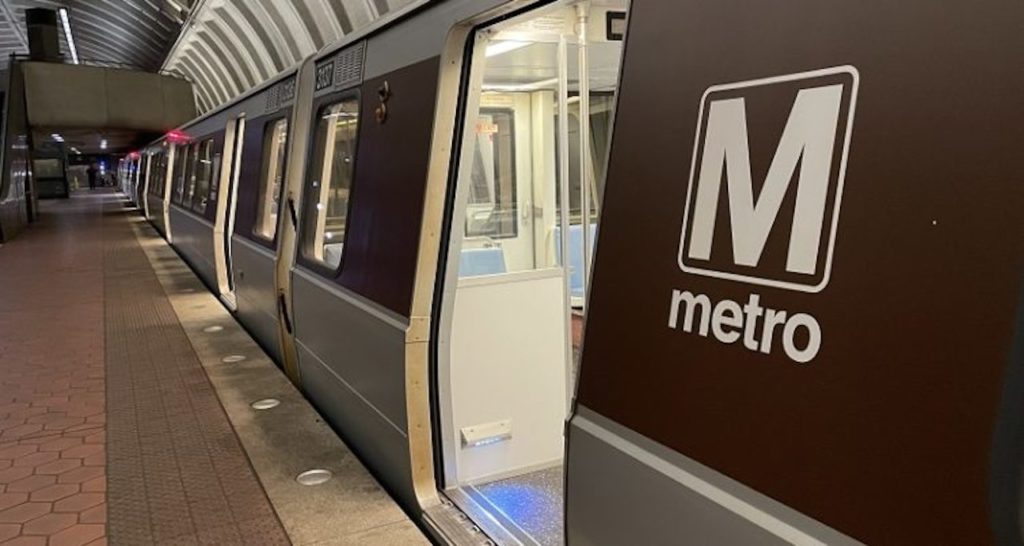
The WMATA Board of Directors on April 23 adopted a $4.8 billion operating budget for FY2027, “improving service without raising fares.” Bus service improvements will take place in June, and additional bus and rail changes will be made in December.
The approved budget (download below), the agency says, “reflects Metro’s continued commitment to financial management and efficiency. While recognizing regional economic constraints and still improving service, this budget increases jurisdictional subsidy to less than 1.8%, significantly below the inflation rate and the 3% regional target.”
“Over the past year, our Board has focused on ensuring transparency and accountability of WMATA operations and decision-making, ensuring that risks are mitigated appropriately, and that WMATA operates efficiently and safely,” said WMATA Board Chair Valerie Santos. “The budget that we adopted balances today’s service needs with the budget realities of our local funding partners.”
The FY2027 budget includes improvements on select Metro Bus routes in the District of Columbia and Virginia. Rail customers will see increased weekday off-peak service on the Orange, Silver, and Blue lines and additional late-night frequency on the Red Line. The capital budget includes funding for the first steps of rail modernization on the Red Line, Metro’s original line that opened more than 50 years ago.
“Metro has led the country in ridership growth in recent years, and this additional service will help meet the growing demand on bus and rail,” said Metro General Manager and CEO Randy Clarke. “We remain committed to running safe, frequent, and reliable service for our customers and planning for future rail modernization that would make Metro Rail even safer and more efficient.”
Metro Bus and Rail fares will remain at current rates. Starting July 1, Metro will administer a $3 administrative fee for each Abilities Ride trip.
In December, Metro Rail service will increase on select lines:
- Orange, Silver, and Blue lines will arrive every 10 minutes on weekdays from system open through 9:30 p.m. (improved from 12 minutes off-peak).
- Red Line trains will arrive every 7-8 minutes after 9:30 p.m. daily (improved from 10 minutes).
Two new limited-stop routes in Virginia are also planned to begin in December. The funding for these routes, WMATA says, is contingent on approval by the Northern Virginia Transportation Commission and the Virginia Commonwealth Transportation Board this summer.
- Route F2X: Spring Hill station to West Alexandria via Leesburg Pike and Mark Center.
- Route A6X: Dunn Loring station to Pentagon and Crystal City stations via Arlington Boulevard.
The WMATA Board-approved Capital Improvement Program (CIP) includes a rail modernization program on the Red Line. This will facilitate a new Communications-Based Train Control signaling system, platform screen doors, and advanced technology “to enhance capacity, safety, and reliability.” The Red Line is 50 years old and moves more people daily than the three airports in the National Capital Region combined, making these improvements critical to Metro’s future, the agency noted.
The capital budget also includes investments in maintenance to ensure the state of good repair of the system. However, as highlighted by the DMVMoves initiative, Metro does not have “the long-term, dedicated, and predictable capital funding needed to sustain these critical investments.” Metro will continue working with the regional leaders and expects legislative approvals of DMVMoves funding in advance of adopting the FY28 Capital Budget and the FY28-33 Capital Improvement Program.
CIP investments include:
- 8000-series railcar acquisition program (assembled locally in Maryland).
- Signal system upgrades and control room rehabilitation.
- Track, bridge, and structural rehabilitation.
- Tunnel water leak mitigation.
- Station improvements including elevators and escalators, canopies, digital signage, and wayfinding.
- Modernized fare payment systems.
Organizational investments:
- State of the art training center.
- Employee Resource Planning (ERP) and business systems.
- Digital modernization technology.
The post SFMTA, WMATA Approve Operational and Capital Budgets appeared first on Railway Age.