
Saudi Railway Company (SAR) has outlined plans for a new rail link between Riyadh and Jeddah, forming a central part of the Saudi Landbridge project. CEO Bashar Al-Malik said the line will be built in stages with a target completion date of 2034, reinforcing the Kingdom’s push to modernize freight and passenger rail infrastructure.
The Landbridge is designed to connect key economic hubs, stretching from Yanbu through Jeddah and King Abdullah Economic City to Riyadh, then tying into the existing Eastern and Northern Railway networks. Seven major logistics hubs have been identified along this corridor, and upgrades to the Riyadh–Eastern Province line are planned to bring older sections up to modern technical standards. The overall investment could reach around 22.7 billion €.
According to Arab News, while contracts have not yet been finalized, a ministerial committee has been formed to guide the project through planning and delivery. Al-Malik emphasized that progress will depend on reaching agreements that fully meet Saudi requirements.
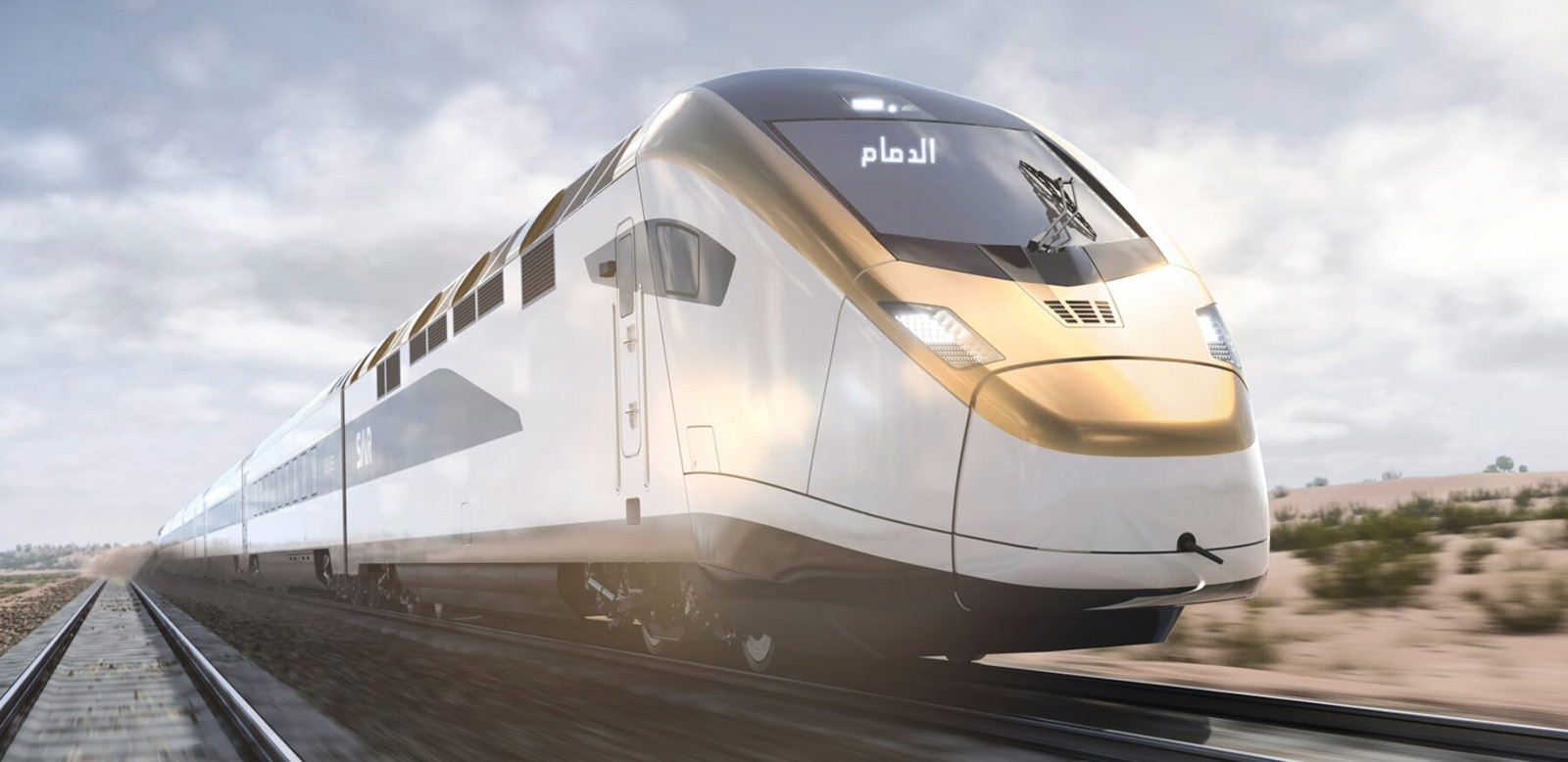
In addition to domestic expansion, SAR highlighted ongoing work on a proposed high-speed Riyadh–Doha line, which would become the first cross-border high-speed rail link in the Gulf, serving cities such as Riyadh, Hofuf, Dammam and Doha with trains capable of at least 300 km/h.
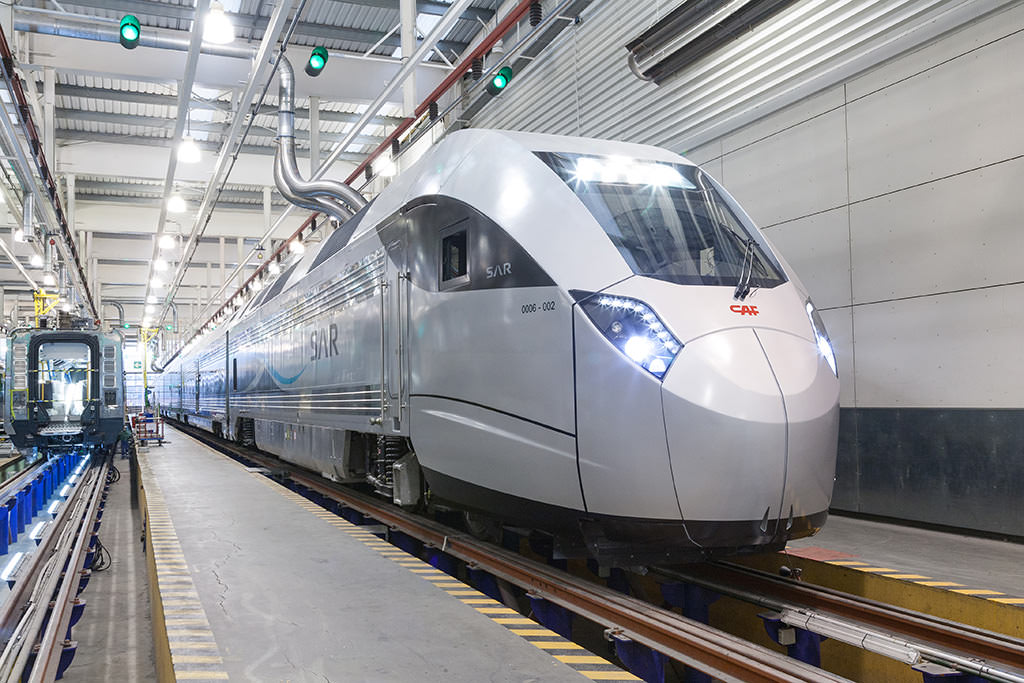
These initiatives are part of the National Transport and Logistics Strategy, which aims to raise the rail sector’s share of national transport and strengthen Saudi Arabia’s role in regional connectivity.
The Kingdom’s rail network has grown rapidly after decades of limited expansion. From the early Riyadh–Dammam line in 1950 to today’s roughly 4,000 km of operational track, plans call for at least 2,000 km more, including new connections to major ports such as Jeddah Islamic Port, King Abdullah Economic City and Yanbu.
Passenger services are also advancing. The Haramain High-Speed Railway, linking Makkah and Madinah via Jeddah and other stops, remains among the fastest in the world. SAR is also launching a unified app for intercity travel and investing in training programs for high-speed drivers, with notable participation from Saudi women.
Overall, these developments mark a significant shift in Saudi rail strategy, with the Landbridge at the centre of a broader vision for freight efficiency and regional integration.