The Massachusetts Bay Transportation Authority (MBTA) has awarded Skanska a 1.06 billion USD contract to replace the North Station Draw One Bridge and complete track and signal upgrades across Boston, Cambridge, and Somerville, Massachusetts.
The project focuses on the modernisation of a rail corridor used by more than 11 million passengers each year. The work includes replacing the existing Draw One bascule bridges, which date back to the 1930s, with new vertical lift spans crossing the Charles River.
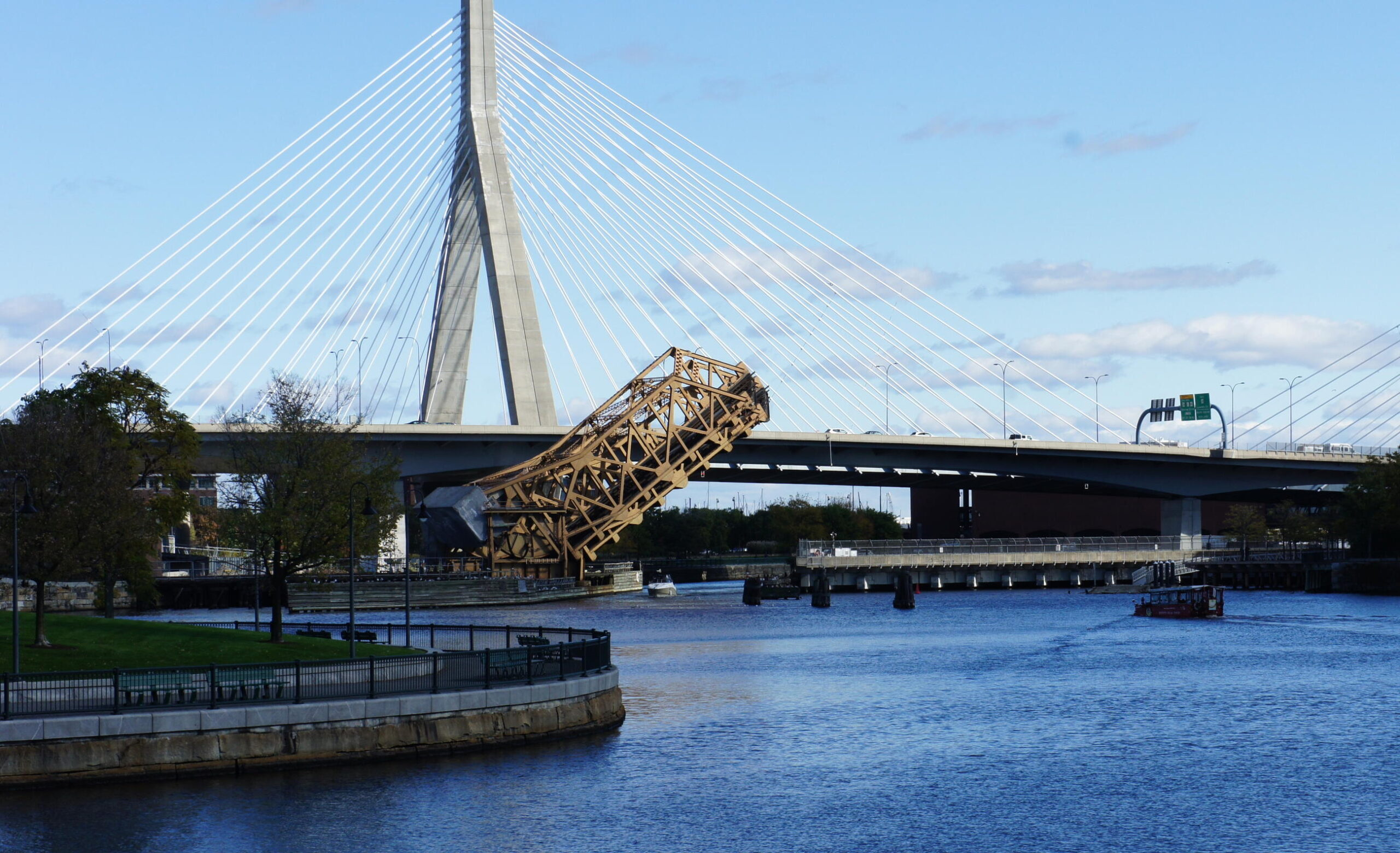
North Station Draw One Bridge
© MBTA
Engineering, planning, and design firm VHB, headquartered in Watertown, Massachusetts, will serve as Skanska’s design partner under the design-build contract.
Paul Pedini, senior vice president of Skanska USA Civil said:
We are proud to partner with the MBTA on this transformative infrastructure investment that will enhance reliability, and support the region’s growing transit needs. By leveraging innovative design and construction solutions, our team will deliver a future-ready rail network while maintaining uninterrupted service for the passengers who rely on it every day.
The project scope also includes upgrades to approach trestles, construction of a new Tower A control facility, and development of a new Platform F at North Station.
Additional work will involve track, signal, and Positive Train Control upgrades intended to improve safety and operational efficiency. The construction team plans to use Alternative Technical Concepts aimed at reducing in-water construction activity, simplifying staging operations, and maintaining rail and Amtrak service during the project.
When completed, the corridor will expand from four tracks to six tracks across the river. The expansion is expected to reduce congestion and improve service reliability while minimising disruption through phased construction scheduling.
Ricky Carey, design manager of VHB said:
The replacement of the Draw One bridges is one of the most significant infrastructure investments in the MBTA Commuter Rail system. Once complete, these new structures will deliver lasting benefits to one of the region’s busiest transportation corridors.
Construction is scheduled to begin this month, with completion expected in fall 2032.