Reliable rail analytics start with reliable data. Learn how wayside electronics, AEI reads, and sensor integrity impact rail operations, analytics accuracy, and real-time decision-making.
In the modern rail landscape, predictive dashboards and data-driven monitoring have become the stars of the show. We look to screens to tell us where assets are, how they are performing, and when they might fail. However, there is a fundamental truth often overlooked in the rush to adopt high-level analytics: reliable decisions can only start with reliable data. As rail operations increasingly depend on data harvested from wayside electronics, the physical layer of the network has become the most critical link in the chain.
Whether it is Automatic Equipment Identification (AEI) reads, presence sensors, wheel impact load detectors, or complex communication systems, these components generate the critical inputs that fuel the industry’s digital transformation. But we must remember that analytics tools can only perform as well as the data they receive. If the input is flawed, the output — no matter how sophisticated the algorithm — will be misleading. Data integrity is not merely a software issue or a cloud-processing challenge; it begins at the hardware level, right at the trackside.
What Data Quality Means in Rail Environments
In a controlled office environment, data is clean and binary. In the harsh, high-vibration world of rail, data quality is a spectrum. To maintain operational excellence, we have to define what “quality” actually looks like for rail electronics data.
- Accuracy: This is the baseline. It means correct reads and, crucially, correct timestamps. A read that is off by even a few seconds can throw off sequencing and velocity calculations.
- Completeness: A system that works 95% of the time is often worse than one that doesn’t work at all, because it creates “ghost” gaps. High data quality means no missed reads.
- Consistency: Data must be reliable across different sites. If a tag reads perfectly at Site A but intermittently at Site B, the underlying analytics engine cannot build a coherent picture of the asset’s journey.
- Latency: In a fast-moving rail network, information has a shelf life. Timely transmission is essential for real-time decision-making and exception handling.
- Electrical Signal Clarity: At its core, data is an electrical pulse. If that pulse is muddy, the data it represents will be suspect.
It is important to understand that degraded electronics environments rarely result in immediate, total failure. Instead, they introduce variability — small errors that compromise the system’s integrity over time.
Common Causes of Data Degradation at the Wayside
The wayside is a hostile place for electronics. Understanding why data quality slips is the first step toward preventing it.
One of the most frequent culprits is electrical noise and grounding inconsistencies. Without a clean ground, signals can become distorted, leading to “noisy” data that the software struggles to interpret. Similarly, antenna misalignment or drift — often caused by the relentless vibration of passing trains — can lead to weakened signal strength and dropped reads.
Environmental stress is a constant factor. Moisture, temperature cycling, and vibration can cause components to fatigue or connections to corrode. Beyond the physical environment, we also see “digital” degradation through firmware inconsistencies across different sites or configuration drift over time. When one site is running a different version of software than another, or when settings have been tweaked manually without being standardized, the consistency of the data pool begins to evaporate.
Finally, power instability can cause chips to reset or sensors to misfire, creating “glitches” that are notoriously difficult to track down.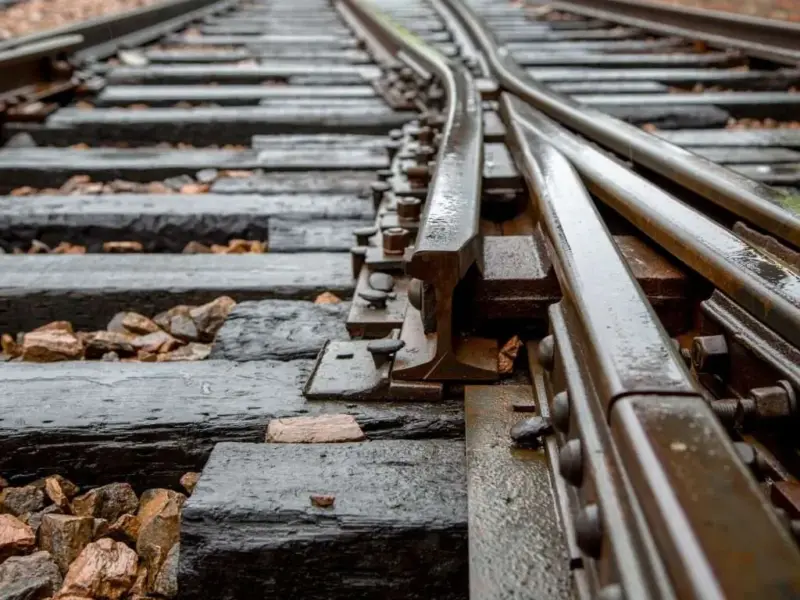
The Hidden Cost of Inconsistent Data
When data quality suffers, the costs are rarely found in a single line item; they are buried in operational inefficiencies and “mystery” errors.
- Operational Errors: Missed or duplicate AEI reads lead to incorrect car sequencing. This can cause major headaches at the yard or destination terminal when the physical train doesn’t match the digital manifest.
- False Alarms: Low-quality data triggers false diagnostic alerts. When a sensor “cries wolf” too many times, operators begin to ignore the alerts — meaning they might miss a genuine safety issue.
- Wasted Labor: Maintenance teams often find themselves chasing symptoms — restarting a server or re-entering data — instead of fixing the root cause of the hardware instability. This leads to significantly increased troubleshooting time.
- Erosion of Trust: Perhaps the highest cost is the erosion of trust in analytics platforms. If the people on the ground don’t trust the dashboard because they’ve seen it fail too many times, they will stop using it, rendering the entire investment in analytics useless.
Designing Electronics for Data Integrity
To avoid these pitfalls, we must move toward a philosophy of “Integrity by Design.” This starts with industrial-grade hardware capable of withstanding the rigors of the wayside.
A robust design includes stable power and grounding architectures to eliminate electrical noise before it starts. It also utilizes redundant communication paths to ensure that even if one link fails, the data still reaches its destination.
Standardization is equally critical. By maintaining standardized configurations and firmware across all sites, railroads can ensure that data behaves the same way regardless of where it originated. Furthermore, proactive maintenance — through routine verification, calibration, and remote monitoring — allows teams to detect signal drift or hardware degradation before it results in a total data failure.
Data Integrity as an Operational Advantage
When a railroad prioritizes data quality, the electronics reliability becomes a “force multiplier.” Clean, consistent inputs reduce operational variability, allowing the entire system to run more smoothly.
With a foundation of clean data, accurate analytics can finally be achieved. This accuracy directly supports:
- Better asset tracking (knowing exactly where every car is at all times)
- Improved dwell analysis (identifying where and why trains are sitting idle)
- Faster exception resolution (correcting errors in minutes rather than hours)
Ultimately, data integrity provides the confidence needed to make bold operational moves.
Conclusion: The System Behind the Dashboard
It is easy to be captivated by the sleek interfaces of modern predictive tools. But we must never forget the system behind the dashboard. The reliability of our most advanced digital tools depends entirely on the unseen hardware and infrastructure vibrating alongside the tracks.

Data quality begins at the wayside. By investing in the integrity of our rail electronics, we aren’t just maintaining hardware — we are protecting the operational confidence of the entire organization.
FAQs
Why is data quality important in rail electronics?
Data quality ensures that rail analytics systems receive accurate, consistent information from wayside sensors and AEI readers. Reliable data enables better asset tracking, predictive maintenance, and operational decision-making.
What types of rail electronics generate operational data?
Rail electronics such as Automatic Equipment Identification (AEI) readers, presence sensors, wheel impact load detectors, and communication systems collect critical data used to monitor railcar movement and system performance.
What causes data quality issues in rail systems?
Common causes include electrical noise, grounding issues, antenna misalignment, vibration, environmental stress, firmware inconsistencies, and unstable power sources at wayside installations.
How does poor data quality affect rail operations?
Inconsistent or inaccurate data can lead to incorrect car sequencing, false diagnostic alerts, wasted maintenance labor, and reduced confidence in analytics platforms used for operational decisions.
How can railroads improve data integrity from wayside electronics?
Railroads can improve data integrity by using industrial-grade hardware, standardizing configurations across sites, maintaining proper grounding and power systems, and performing proactive monitoring and maintenance.
Tags
Products & Services