Alto has launched the next phase of its environmental field studies programme as part of ongoing work to develop a high-speed rail network in Canada.
The company, working with its development partner Cadence, has said that the 2026 studies will focus on gathering environmental data along the corridor between Ottawa and Montréal. The information collected is intended to support impact assessments and inform future planning and engineering work.
Field activities will include surveys of wildlife and plant life, soil sampling, noise monitoring and analysis of waterways and wetlands. The work will be carried out by specialists using established methods and in line with regulatory requirements.
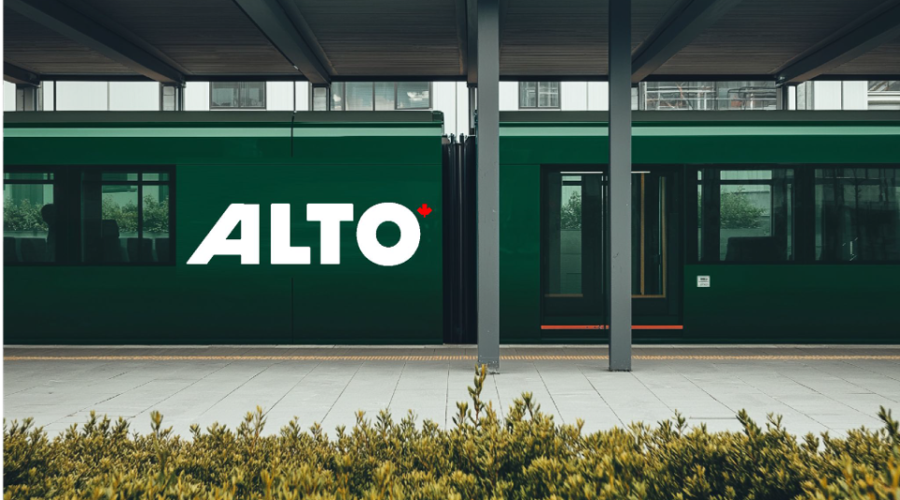
The Canadian government has confirmed plans to develop a high-speed rail network connecting major cities in the Toronto-Quebec City corridor
© Alto
The study locations span rural, suburban and urban areas within the corridor. These sites have been selected for data collection purposes and do not indicate the final route of the railway, which has yet to be determined.
The studies are designed to establish baseline environmental conditions and help identify potential impacts of the project. The findings are expected to inform measures to avoid or reduce negative effects, while considering possible benefits for local communities.
The company is also working with Indigenous communities as part of the programme. Indigenous knowledge will contribute to understanding land use and environmental conditions, alongside scientific analysis.
Anne-Marie Gaudet, Vice-President, Environment, Alto said:
The environment is at the heart of every decision we make, reflecting our commitment to minimising impacts on communities along the corridor. To gain a comprehensive understanding of the territory, our teams will need to access a variety of public and private sites scientifically selected to showcase the corridor’s unique characteristics and diversity. These studies will enable us to make responsible, evidence-based decisions in order to protect both the ecosystems and the people living near the corridor.
In 2026, Alto plans to expand fieldwork to include some privately owned land within the study area. Property owners may be contacted to request permission for access, with participation remaining voluntary. No work will take place on private land without consent, and involvement in the study does not imply future land acquisition or confirm the route alignment.
Alto indicated that it will provide information to affected property owners and maintain communication throughout the process. The environmental studies form part of the preparatory work required before any construction decisions are made on the proposed rail network.