A term sheet agreed between Colorado transport bodies and BNSF Railway has established the basis for a proposed passenger rail service linking Denver and Fort Collins. This marks a key step towards reintroducing intercity rail along the northern Front Range.
The agreement follows negotiations led by the Joint Service Executive Committee and outlines the key commercial and operational terms for a 25-year access arrangement. This would allow passenger trains to operate on BNSF-owned infrastructure, with an initial service pattern of three daily return journeys between the two cities.
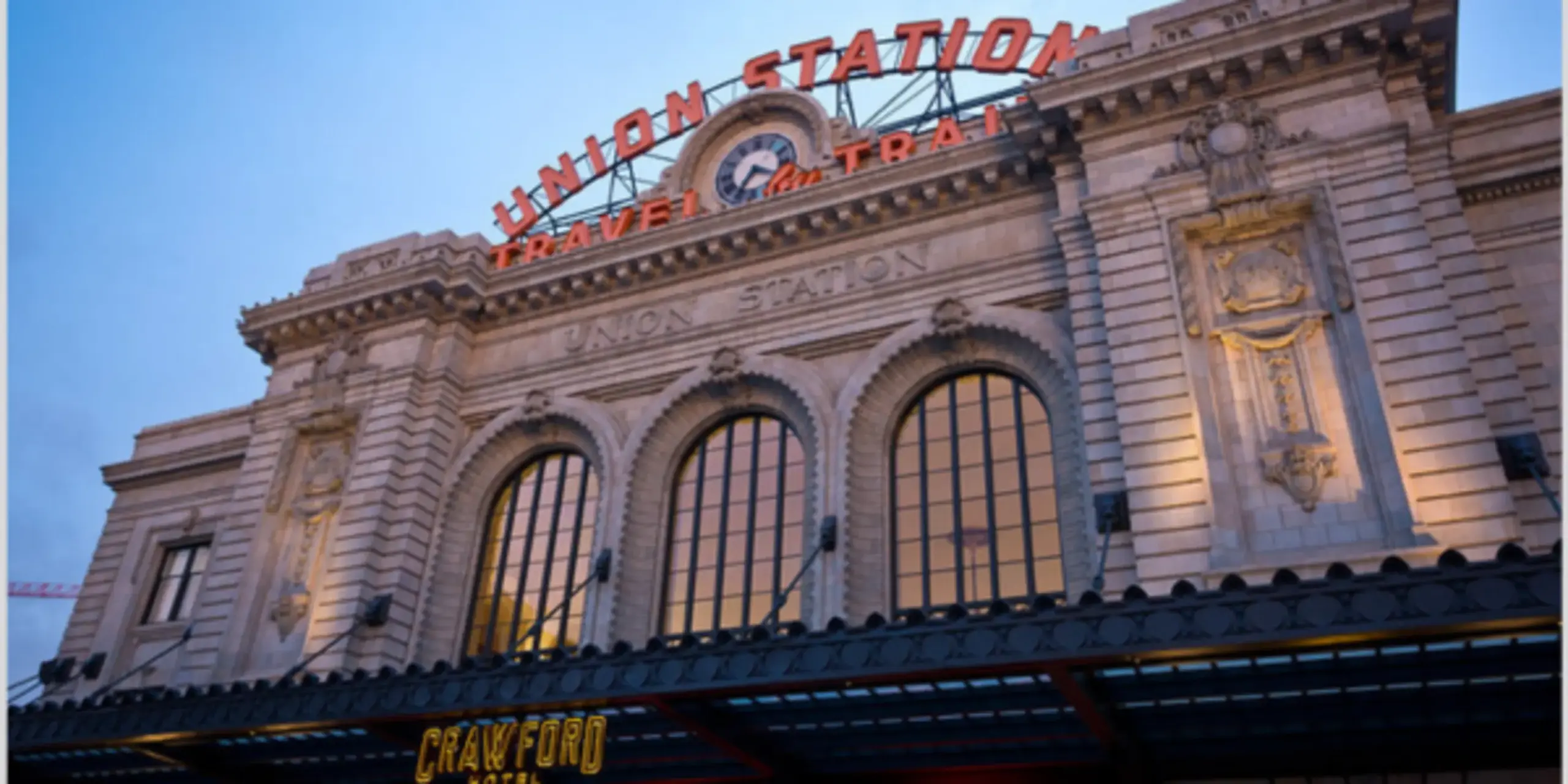
The agreement aims to deliver more service for half the cost with no new taxes
© Regional Transportation District
Under the proposed framework, BNSF would act as the host railroad, coordinating passenger operations alongside its existing freight services. The term sheet includes provisions for shared use of track, scheduling priorities and infrastructure upgrades required to accommodate increased passenger traffic while maintaining freight capacity.
Governor Polis said:
Today’s agreement is a big step towards delivering three daily round trips between Denver and Fort Collins, giving Coloradans transportation options to save us time and money, while reducing traffic and pollution. With no new taxes, and at nearly half the cost of previous studies, this agreement proves that through partnership and collaboration, passenger rail service across the Front Range is not a far-off dream, but a reality. I thank BNSF for their steadfast collaboration, and the Joint Service Executive Committee and Lisa Kaufmann, our lead negotiator, for putting in the hard work to deliver this long-overdue service for Coloradans.
The agreement also defines responsibilities for capital improvements, estimated at approximately 330 million USD. These works are expected to include track upgrades to support higher speeds, additional passing sections to reduce conflicts between freight and passenger trains, and safety enhancements such as Positive Train Control.
Public sector partners, including the Colorado Transportation Investment Office and the Regional Transportation District, have approved initial funding to advance the project into its design phase. This stage will refine infrastructure requirements, operational planning and cost estimates ahead of a final access agreement.
The term sheet reflects a collaborative model in which a private freight operator and multiple public agencies share resources and risks. BNSF has indicated that the arrangement builds on its experience hosting passenger services across its network, while state partners view the agreement as a way to deliver rail connectivity without introducing new taxes.
BNSF Assistant Vice President of Passenger Operations Jim Tylick said:
BNSF is proud to take this important step with the state of Colorado, moving us closer to bringing new intercity passenger rail service to communities along the Front Range. As the nation’s largest host of passenger rail service, we’re committed to working together to deliver safe, reliable transportation that strengthens mobility and opportunity across the region.
If a final agreement is concluded on schedule, detailed design work is expected to proceed through the late 2020s, with a target to begin passenger operations by January 2029, in line with state legislation.
The proposed service would connect several growing communities along the Front Range, providing an alternative to road travel on the congested Interstate 25 corridor while making use of existing rail infrastructure under a long-term access agreement with BNSF.
CDOT Executive Director Shoshana Lew said:
Passenger rail service between Denver and Ft. Collins will offer another high-quality, convenient travel option along the northern Front Range. Giving people the freedom to choose the best way to make a trip makes travel safer and easier for everyone, and offering three daily round trips between some of Colorado’s largest communities and employment centers will quickly deliver benefits for our transportation system. I want to thank the CDOT team that has provided technical assistance throughout this effort and appreciate the strong show of support from the Transportation Commission and the CTIO and CTE boards of directors.