An oral evidence session held on Monday by The Public Accounts Committee (PAC) examined how government plans for Northern Powerhouse Rail (NPR) could boost economic growth in the North of England.
During the session, attendees were questioned on how published plans might align with government growth goals for the North, with scrutiny placed on how the Department for Transport (DfT) will work with key strategic partners in order to deliver the key benefits of the programme.
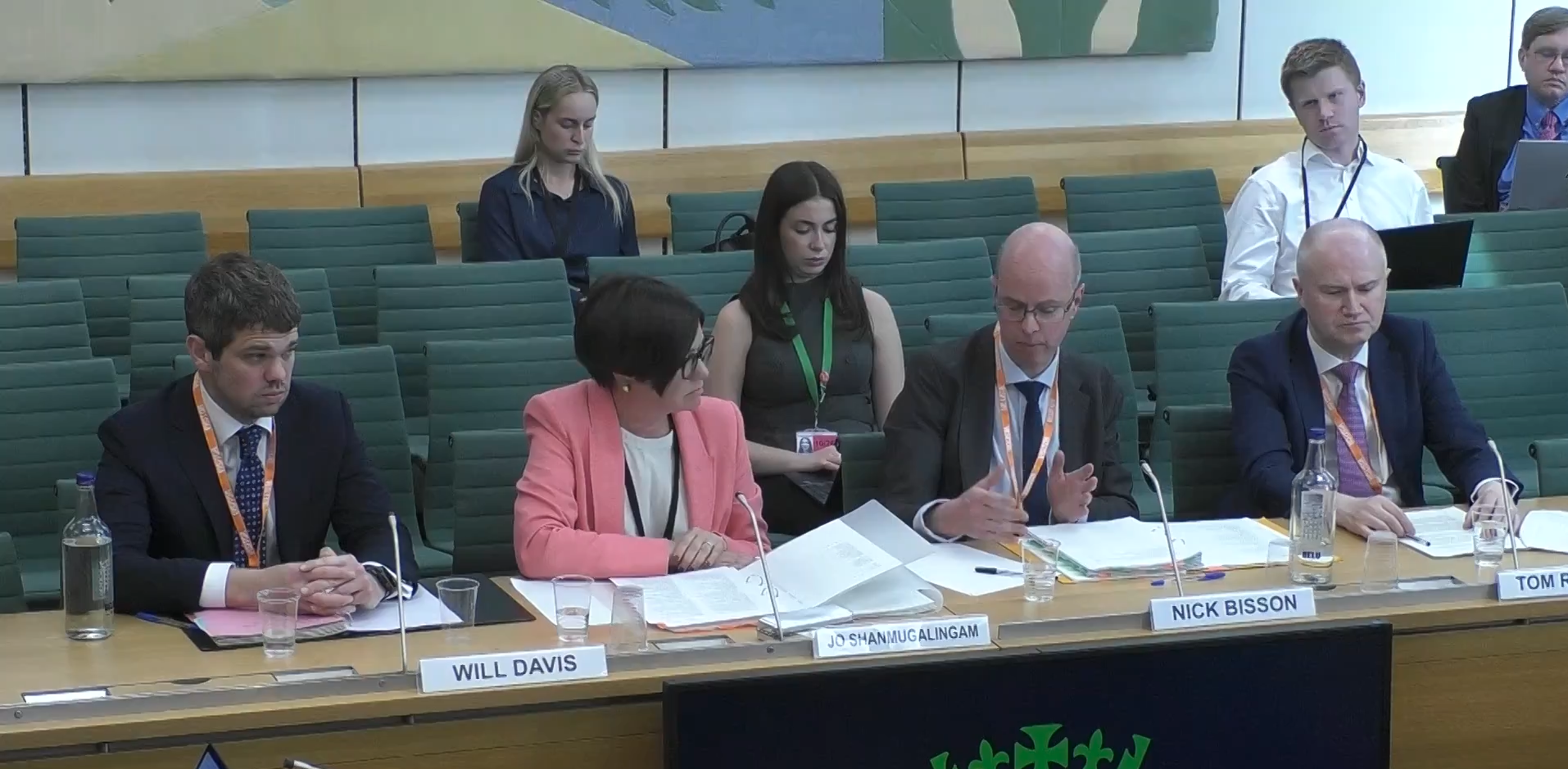
The session drew members from across England’s rail industry
© Parliament.tv
Initially devised as a way to unlock economic potential in the North, the Northern Powerhouse Rail project aims to provide better access between key cities across the region by way of introducing new, stronger rail links between cities such as Manchester, Leeds, York and Sheffield, amongst others. It has been proposed that taking advantage of such growth corridors could add up to 40 billion GBP per year by bringing these cities up and closer to the national average – a goal they, currently, fall short of.
During the session, one such example of an additional area set to benefit from the project was Bradford, which saw representation from local MP Anna Dixon. Speaking from the perspective of a city currently considered to be severely under-connected; Dixon suggested that proposals of a new station, as well as the electrification of the line between itself and Leeds, represent a tangible transformational shift in Bradford’s overall landscape, providing its approximate population of 500,000 residents with new opportunities for work, schooling, healthcare and more – reinforcing the local economy and ensuring real-world results for citizens.
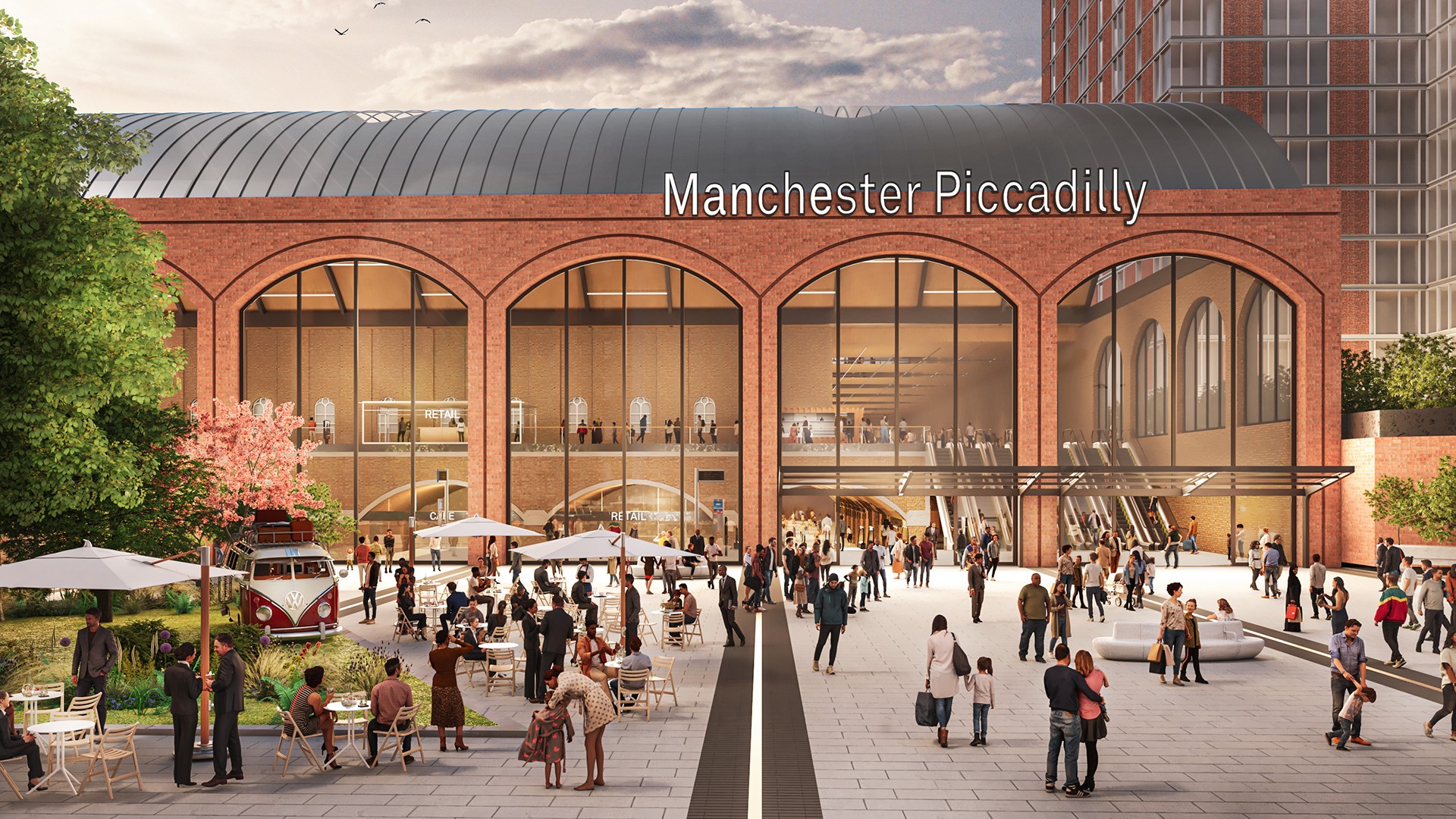
An artist’s rendition of a revamped Manchester Piccadilly Station
© Transport for Greater Manchester
By utilising a ‘place-based’ planning approach, investments into areas across the North of England will be assessed as a package of interconnected interventions rather than standalone projects – a key example of this can be seen in the regeneration of Liverpool Central, a pilot that has seen transport, housing, private investment and public services combined to create one, interwoven approach to local transformation.
Timelines
During the session; questions were raised regarding the timeline of the project. Having been carried through several government changes, skepticism was conveyed regarding its actual implementation, given the reduced scope of the project since its original unveiling – and it’s fair to say that doubts have been cast by a number of industry professionals regarding its eventual realisation.
However, Jo Shanmugalingam, Permanent Secretary, Department for Transport, put forward the notion that the project has, in essence, already begun, with the looming completion of the TransPennine Route Upgrade forming NPR’s ‘Phase Zero’ and providing a basis for the future of the works.
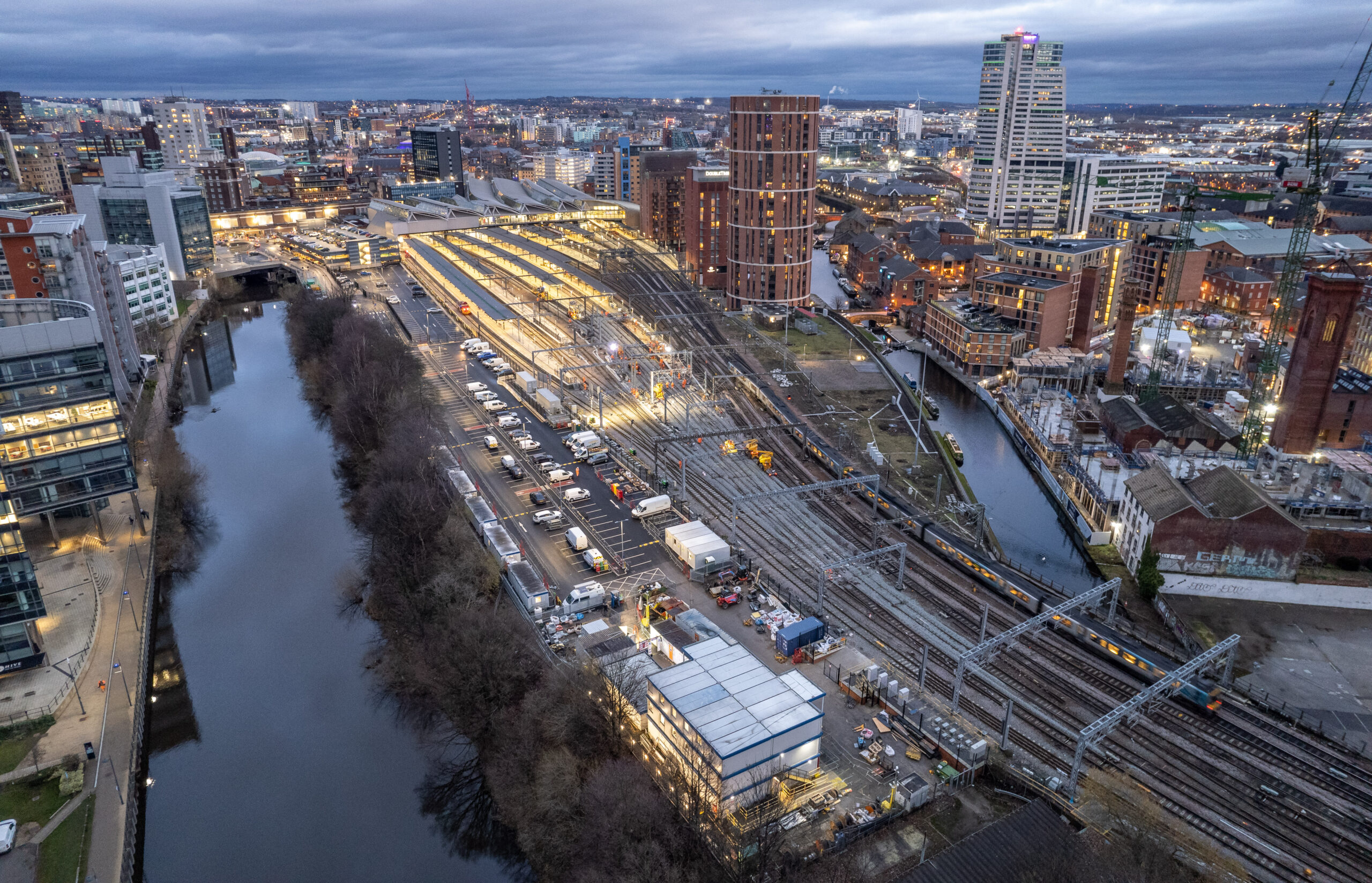
Transpennine Route Upgrade lays the foundations for a better-connected North
© Network Rail
Elsewhere; Tom Riordan CBE, Northern Growth Envoy, HM Treasury, stated that teams leading the project had already begun liaising and working closely with regional mayoral authorities, forming a ministerial taskforce to ensure that the work being proposed will have full alignment with long-standing needs in the areas – existing plans for new infrastructure such as Victoria North in Manchester, Leeds South Bank and York Central have all been confirmed to fit within the scope of land use plans put forward by the government thus far.
Spending & Lessons Learnt
Emphasis was also placed on whether or not the DfT is learning and, subsequently, implementing lessons learnt during the development of previous rail programmes – namely HS2, with its original target of a cost of 37.5 billion in 2009, which has now ballooned to cost nearly 100 billion GBP to deliver around 20% of the original development plans.
With this in mind; skepticism was shown with regards to the proposed cap of 45 million GBP for the entirety of NPR’s delivery. In response, it was stressed that NPR’s 45 billion GBP figure is strictly a funding cap – not a precise cost estimate. In order to keep potential costs in line within this area; the project will avoid locking in detailed scope too early, preventing cost escalation and placing an emphasis on flexibility, staged development and learning from past reviews – essentially, shifting away from an HS2-style promise plan and opting instead to provide a more controlled timeline governed by more realistic possibilities.
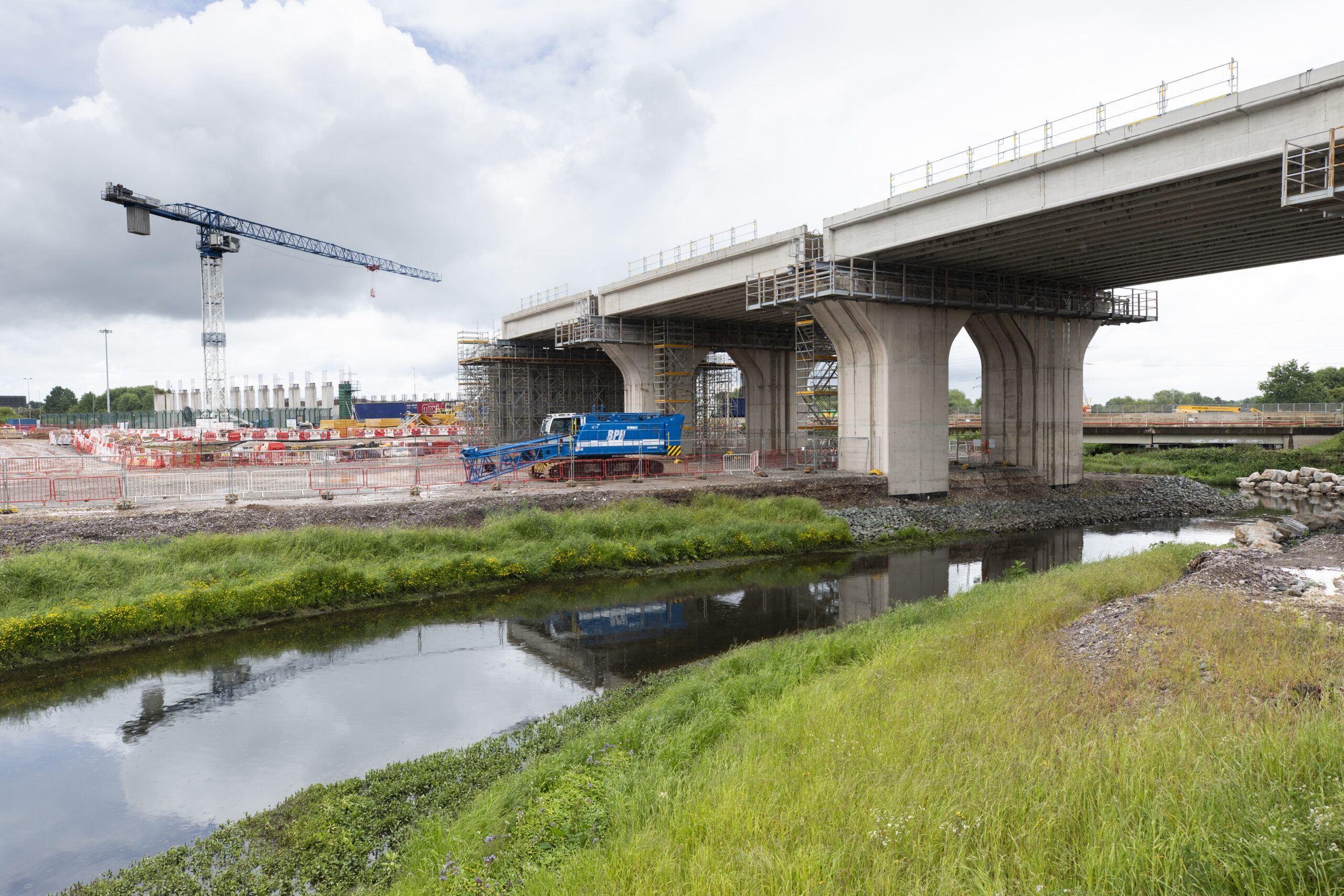
HS2 costs are now projected to be nearing 100 billion GBP – for the delivery of around 20% of the original plans
© HS2 Ltd
Additionally, whilst the 45 billion GBP has been earmarked as funding from the central government itself, local authorities will be given the opportunity to add extra funding for additional scope if they desire – allowing for more ambitious projects and outcomes and preventing the national budget from being pushed upward by local upgrades.
However, this being said, all actual accountability for spending will still, ultimately, remain with the Department for Transport, with final responsibility lying with the Secretary of State for Transport when it comes to decisions regarding the project as a whole.
Is It Enough?
With a West Coast Main Line considered at or even near capacity; the delivery of Northern Powerhouse Rail is poised, theoretically, to be one of the country’s biggest lifelines in recent years – however, with full completion of the project not expected until an undefined portion of the 2040s, it could be argued that this will simply not be soon enough. Even with the conceptual safeguarding of a potential north-south line beyond Birmingham (emphasis has very much been placed on the fact this will not be a revisit of original HS2 plans) folded into future conversations; the government has acknowledged uncertainty in long-term demand forecasting, with short- and medium-term measures and feasibility studies planned to assess and manage capacity needs.
At this stage, one thing is clear: the delivery of Northern Powerhouse Rail is, potentially, one of the largest industry-wide shake-ups the country has ever seen. By bringing transport options to and from the North of England in line with the government’s economic goals, England could stand to generate billions of pounds per year, converting key cities into destination locations and bringing them in line with other, similarly sized cities across the world such as Munich and Barcelona.