Hitachi Rail has been chosen to both develop and certify a new External ERTMS Specific Transmission Module (STM) for the Portuguese market.
The company was selected following a public international tender procedure launched by Infraestruturas de Portugal (IP).
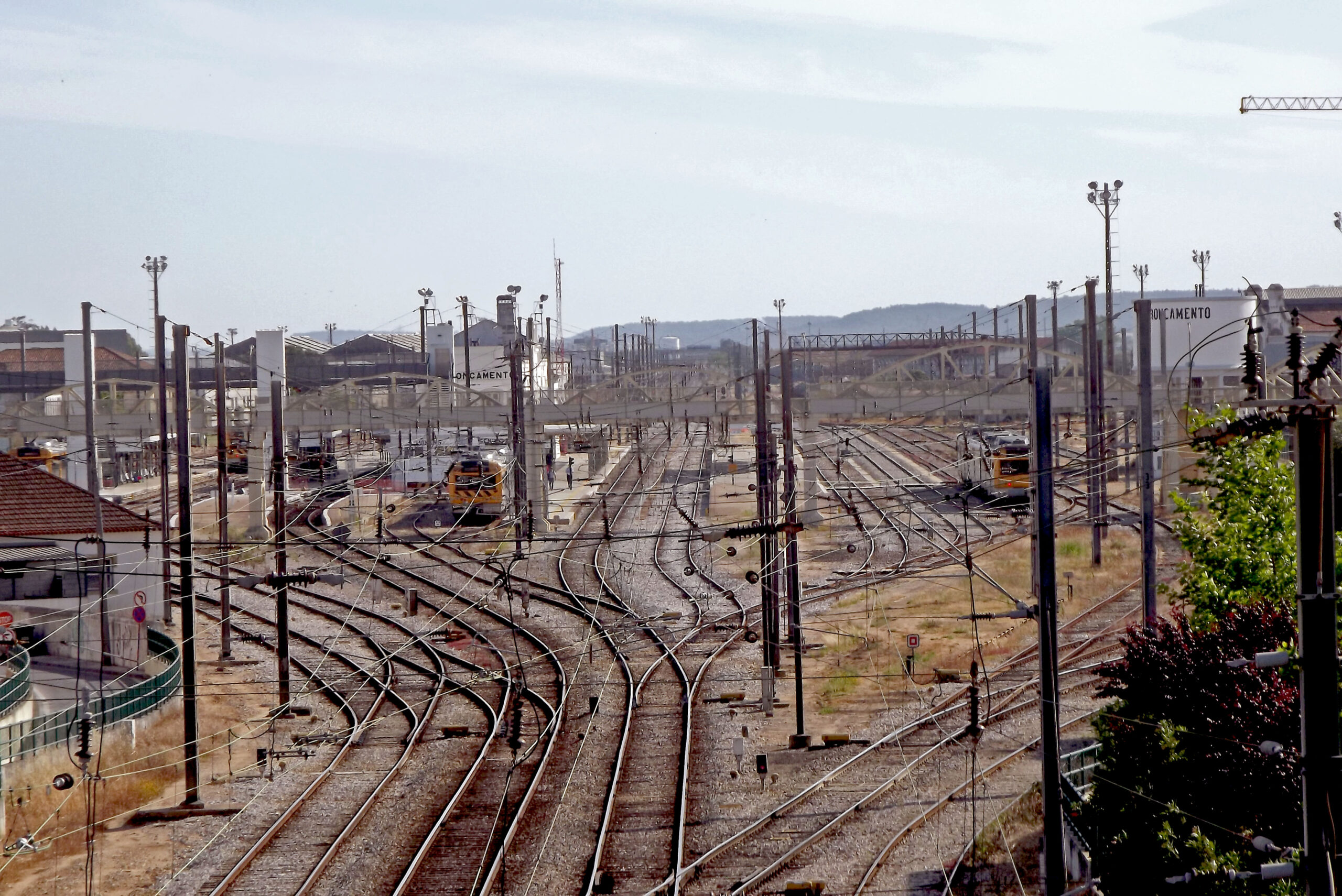
The STM will be the second Hitachi Rail has developed for the Portuguese market
© Hitachi Rail
Award of the contract marks the second Hitachi Rail STM developed specifically for the Portuguese market, as well as a key step in the support of the country’s wider transition from the national CONVEL automatic train protection system to the new European Train Control System (ETCS) in line with the nationally defined ERTMS migration roadmap.
During the transitionary phase; trains will operate with both ETCS and STM onboard, ensuring continuity of service across lines not yet equipped with the new module whilst also supporting the gradual deployment of ETCS Level 2 across the national network.
The development and certification of the new STM is hoped to contribute to the overall diversification of the supply chains, reduction of dependence on a single technology provider and fostering of a more competitive and resilient market for railway undertakings, maintainers and future rolling stock programmes.
Set to be delivered through a collaborative effort involving Hitachi Rail teams across Portugal, Sweden and Italy; the STM is being developed as an external module, and will be designed to ensure interoperability between ETCS and the Portuguese Class B system (CONVEL). It is intended to be made available to the market under fair, reasonable and non‑discriminatory (FRAND) conditions, in line with the applicable European regulatory framework.
Thus far, Hitachi Rail has played a key role in the deployment of ERTMS across Europe, and aims to continue providing support across the continent with major large-scale network deployment in Italy and onboard ERTMS and STM programmes in Sweden.
Joaquim Santos, Hitachi Rail Portugal Country Director, said:
This contract is an important milestone for the modernisation of Portuguese rail. By developing a second STM for the national network, we are helping create a more resilient and competitive technological foundation for the sector, while supporting Infraestruturas de Portugal in delivering an efficient and future‑ready transition to ERTMS.
For passengers, operators and the wider public, the benefit is clear: a stronger railway system with greater interoperability, improved long‑term sustainability and readiness for the next generation of rail services.