A new national transport strategy aims to expand contactless “tap-and-go” travel across buses, trains and trams in England, with plans to give local authorities greater control over integrated transport systems.
The strategy, titled Better Connected, includes more than 40 funded measures intended to simplify journeys, improve coordination between transport modes and support local decision-making.
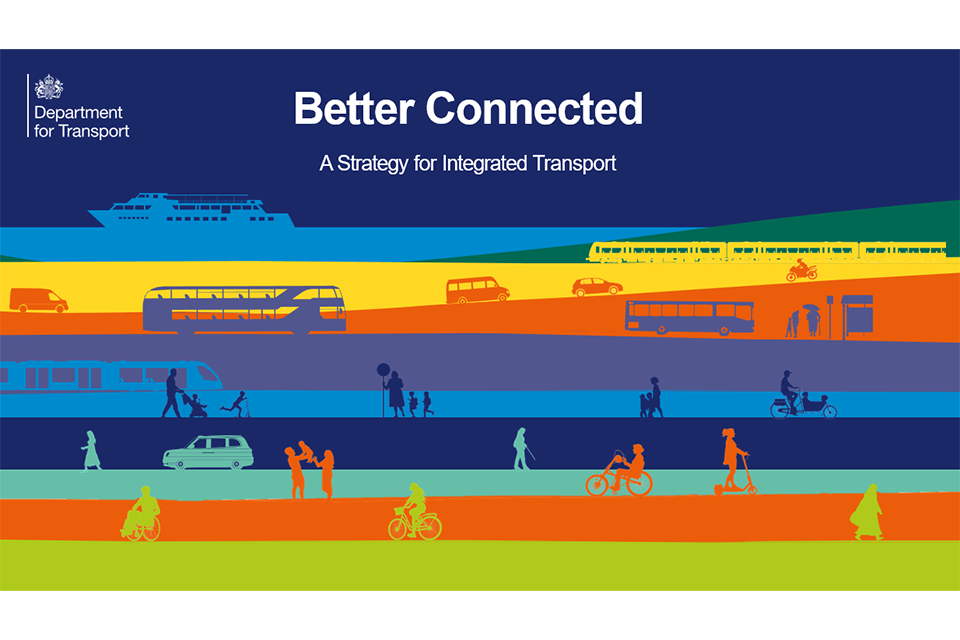
Strategy sets the direction for a more joined-up transport network
© GOV.UK
Under the proposals, local leaders will be able to introduce contactless payment systems similar to those in operation in cities such as London, Liverpool and Nottingham. These systems allow passengers to travel across different forms of public transport using a single payment method, without purchasing separate tickets.
Transport Secretary, Heidi Alexander, said:
For too long, getting from A to B has been more complicated than it needs to be.
People want journeys to be easy and reliable. They want to be able to get off a train and straight on to a bus without having to battle through a confusing system or buy separate tickets for each part of their journey.
That’s why we’re giving local leaders the powers to build transport networks that are simpler, more accessible and better connected, improving everyday journeys and supporting growth in every corner of the country.
The strategy builds on existing policies aimed at managing travel costs, including the continuation of rail fare controls, the bus fare cap and the freeze on fuel duty. Officials say that giving local authorities longer-term funding certainty will help them design transport systems that are more coordinated and cost-effective.
A separate agreement with Google Maps will allow passengers to track bus services in real time. The feature is expected to be particularly relevant in rural areas, where services may run less frequently.
The Government also confirmed plans to expand the National Parking Platform, which enables drivers to use a single application across multiple car parks, rather than downloading separate apps for each location.
As part of the strategy, a pilot scheme described as a “Mini Switzerland” model will be introduced in the Peak District, specifically in the Hope Valley. Backed by 6 million GBP in funding, the trial will test coordinated rural transport, with bus services scheduled to connect with train arrivals.
The Government has also announced 40 million GBP in funding for local authorities to trial digital tools aimed at reducing congestion and improving service reliability.
The plan sits alongside broader transport initiatives, including the development of Great British Railways, investment in road maintenance and the expansion of electric vehicle charging infrastructure.
New guidance for Local Transport Plans has also been published, outlining how authorities can make use of funding and coordinate services more effectively. The overall aim is to support economic activity while improving everyday journeys for passengers and drivers.