As cities across the world continue to invest in sustainable urban transport, light rail systems are playing an increasingly important role in modern mobility. Supporting this growth, Mosdorfer Rail has announced its comprehensive range of products and solutions designed specifically for light rail electrification projects.
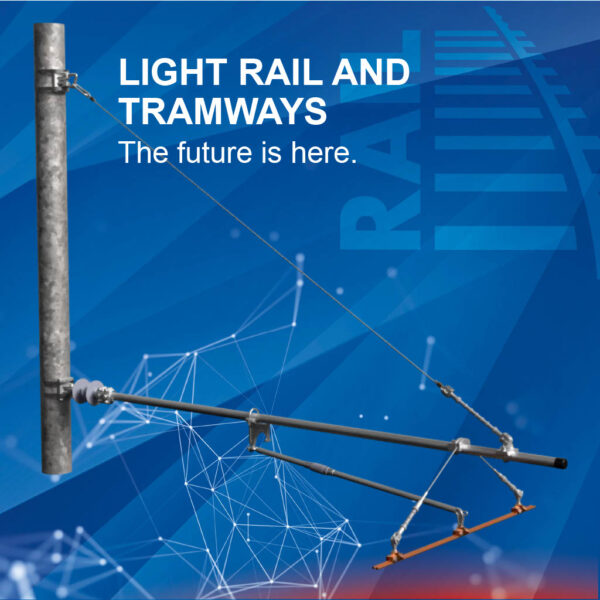
The company provides full system supply for light rail overhead line electrification, combining established engineering expertise with innovative design. Among its flagship technologies is the Tensorex tensioning device, widely recognised in the rail industry for maintaining consistent tension in overhead line systems. This technology helps ensure reliable current collection while reducing maintenance requirements and improving system stability.
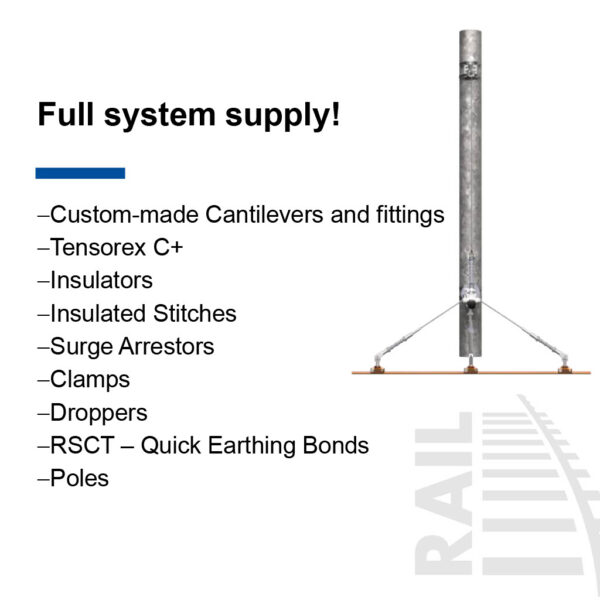
In addition to its tensioning solutions, Mosdorfer Rail also develops bespoke cantilever systems tailored to the specific needs of individual projects. These customised solutions allow infrastructure designers to adapt overhead line equipment to varying track layouts, urban environments, and structural constraints commonly found in light rail networks.
Another key component of the company’s offering is its range of light rail insulators, manufactured in accordance with EN 62621 and other relevant industry standards. These insulators are designed to provide high electrical performance and durability, helping ensure the safety and reliability of electrified rail systems.
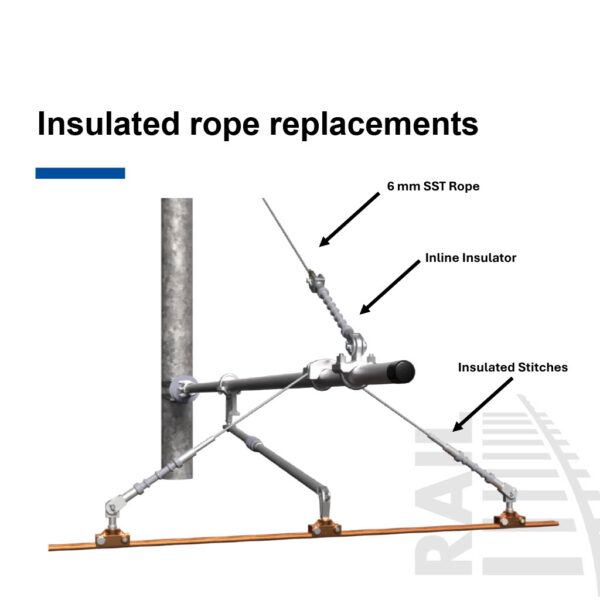
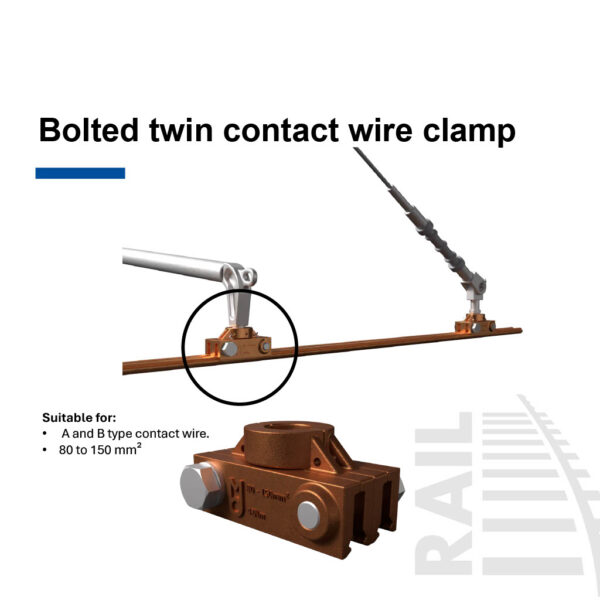
Beyond core electrification equipment, Mosdorfer Rail also supplies a range of insulated rope replacement components used in overhead line installations. These include inline insulators, insulated stitches, aluminium support clamps, high strength insulated registration arms, and bolted twin contact wire clamps.
By delivering a comprehensive portfolio of electrification components, Mosdorfer Rail aims to support the development of efficient and resilient light rail networks worldwide. As urban areas continue to prioritise cleaner and more efficient public transport, reliable electrification infrastructure will remain a critical element in powering the next generation of light rail systems.