A new report from the National Audit Office (NAO) has stated that the government’s new plans for Northern Powerhouse Rail ‘must more closely align with national and local growth plans’.
The report, which was published by the NAO earlier today, instructs the government to ‘involve better collaboration between central and local authorities to fully realise the benefits’.
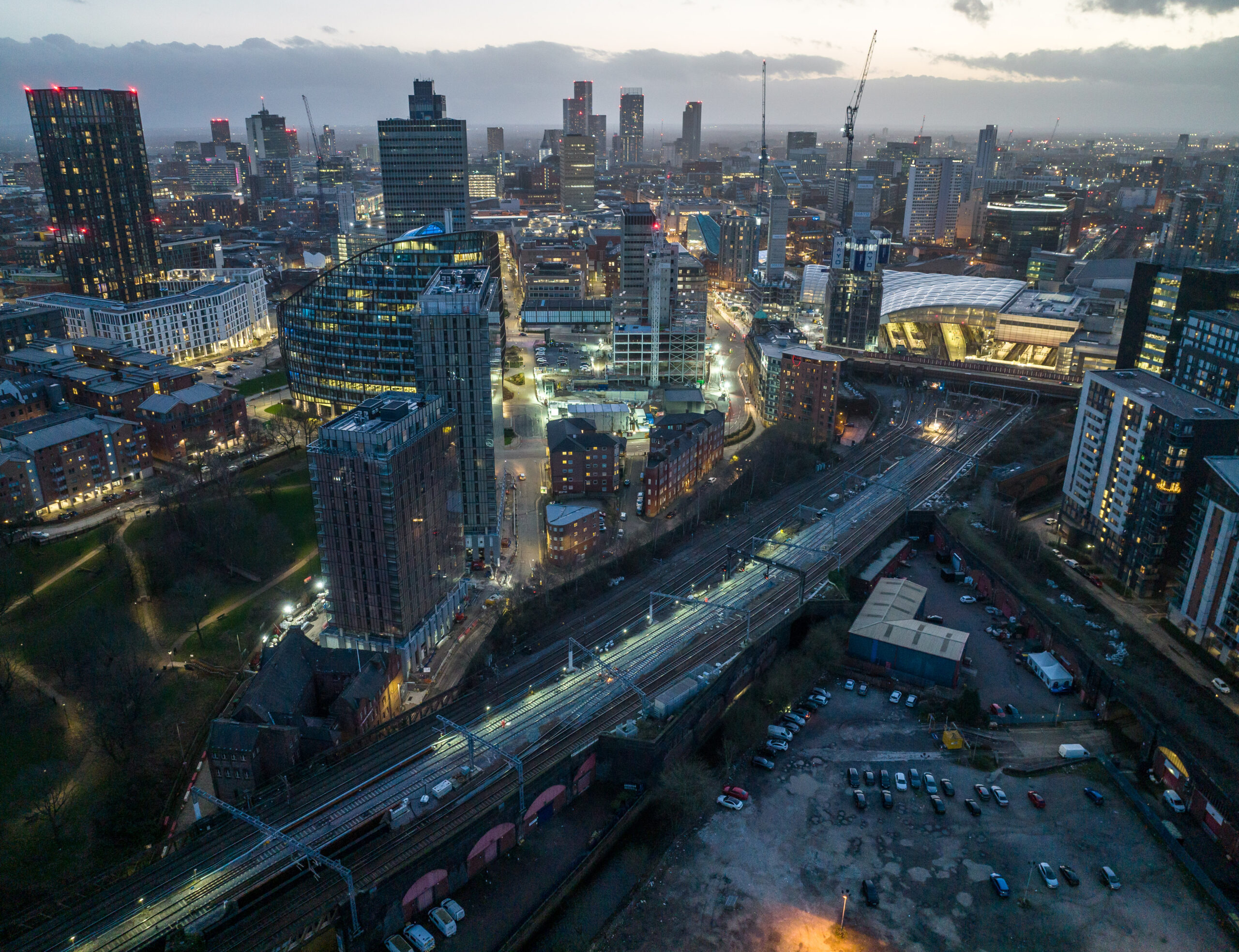
The project will aim to unlock £40 billion of economic potential
© Network Rail
Revived in January of this year, the government’s Northern Powerhouse Rail (NPR) plans aim to improve east-west rail connections across the north of England via a three-phase construction plan that will see new & upgraded track, new stations and more services provided to those living in the region.
The Department for Transport (DfT) has been working on plans for NPR for more than a decade, during which time a number of alterations have led to a reduction in initial promises first made by the former Conservative government and following the cancellation of the HS2 connection to Manchester in October 2023. The DfT has, according to the report, thus far identified ‘important lessons from HS2 and other major rail programmes’, such as the establishment of strong governance processes, skills, capabilities and both effective contact and financial management.
Steps have also been taken to consider how NPR might, ultimately, fit with other rail upgrade programmes taking place in the north of England, including the Transpennine Route Upgrade.
Despite this; the NAO has stated that the government still has ‘more work to do to show how it plans to deliver the wider economic benefits for the north of England enabled by Northern Powerhouse Rail’.
Previous indications from regional stakeholders in the north showed that ‘poor engagement and a lack of clarity from central government had hampered their ability to progress local plans’, with the government still yet to set up ‘appropriate governance arrangements between the national and local level or between the different central government departments responsible for delivering the programme’s benefits’.
The NAO’s report also argues that the DfT must determine who will be responsible for building the new rail lines, how the creation of Great British Railways (GBR) will affect the programme and how it can best maximise any benefits from the programme, given its 45 billion GBP funding cap.
The Office has recommended that, at this early stage of the programme, the DfT fully aligns its strategic case for the programme with the government’s developing Northern Growth Strategy; establishes how it will work with key strategic partners in decision-making and funding as part of programme governance, ensuring that roles and responsibilities are clear and understood; reviews the benefits it can deliver from each phase of the programme against their expected cost; and regularly assesses how effectively it is implementing relevant lessons learned from other programmes.
Gareth Davies, head of the NAO, said:
Improving rail service and infrastructure in the north of England is a vital enabler of economic growth and productivity.
DfT has taken steps to set up Northern Powerhouse Rail for success, including identifying key lessons from other programmes. But further work is needed to ensure it aligns with national and local growth plans.
Want to hear more about Northern Powerhouse Rail? Check out a2b Global Media’s podcast, All Routes Considered, which takes a deep dive into the topic and provides further insight into its feasibility, history and more!