From this week onwards, rail fares across England have been frozen by the Government in an effort to both aid with the cost of living and support economic growth.
The freeze applies to all regulated fares, including seasons, peak returns and off-peak returns between major cities across the country.
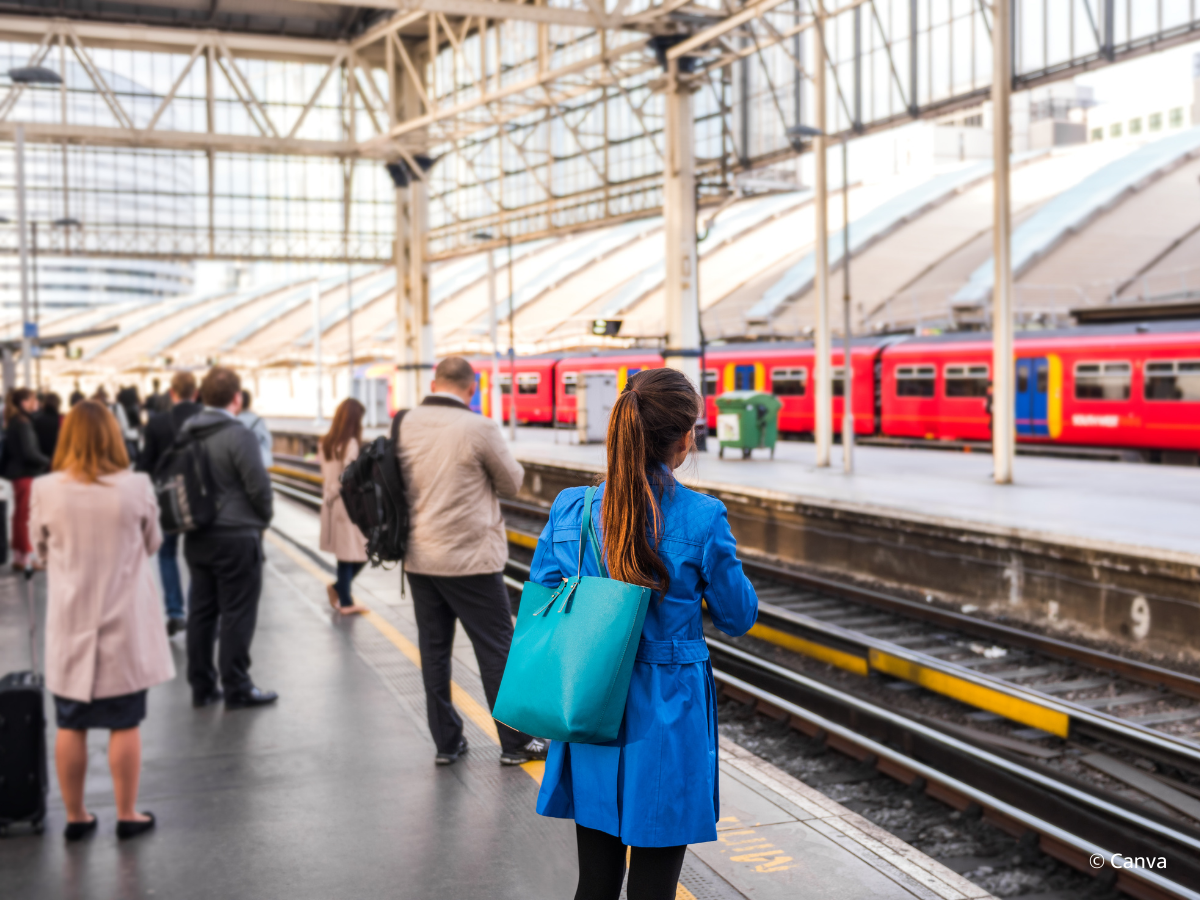
The freeze is the first in 30 years
© Canva
Frozen for the first time in 30 years, the now currently-static price of rail fares is expected to benefit over a billion passenger journeys, saving existing rail passengers 600 million GBP across 2026/27 and delaying the usual 5.8% rise of previous years.
Examples given by the Government include savings of 315 GBP per year when travelling from Milton Keynes to London, 173 GBP per year travelling from Woking to London and 57 GBP per year travelling from Bradford to Leeds 3 days a week using flexi-season tickets.
Prime Minister Keir Starmer said:
Affordable, reliable transport links are the gateway to jobs, school, and opportunities. So it’s not right that passengers are being priced out of the routes they should rely on because of endless hikes.
This freeze – the first since the 90s – will put more money in working people’s pockets. By keeping costs down we are making journeys more affordable for millions of people – putting train travel back into the service of passengers, not profits.
Along with frozen rail fares, the Government has also announced changes to the terms and conditions relating to rail tickets. These changes, which will be effective from 1 April, will see passengers only permitted to claim refunds for unused tickets ahead of travel, and are expected to save 40 million GBP through the potential prevention of fraud and fare-dodging.
Rail Minister, Lord Peter Hendy, said:
Deliberate fare dodging has no place on our railways. It drains much needed revenue and undercuts the trust of passengers who play by the rules.
Changing refund rules will help stamp out fraud, keeping money in the railway – which will ensure we can deliver an improved railway with passengers at its heart.