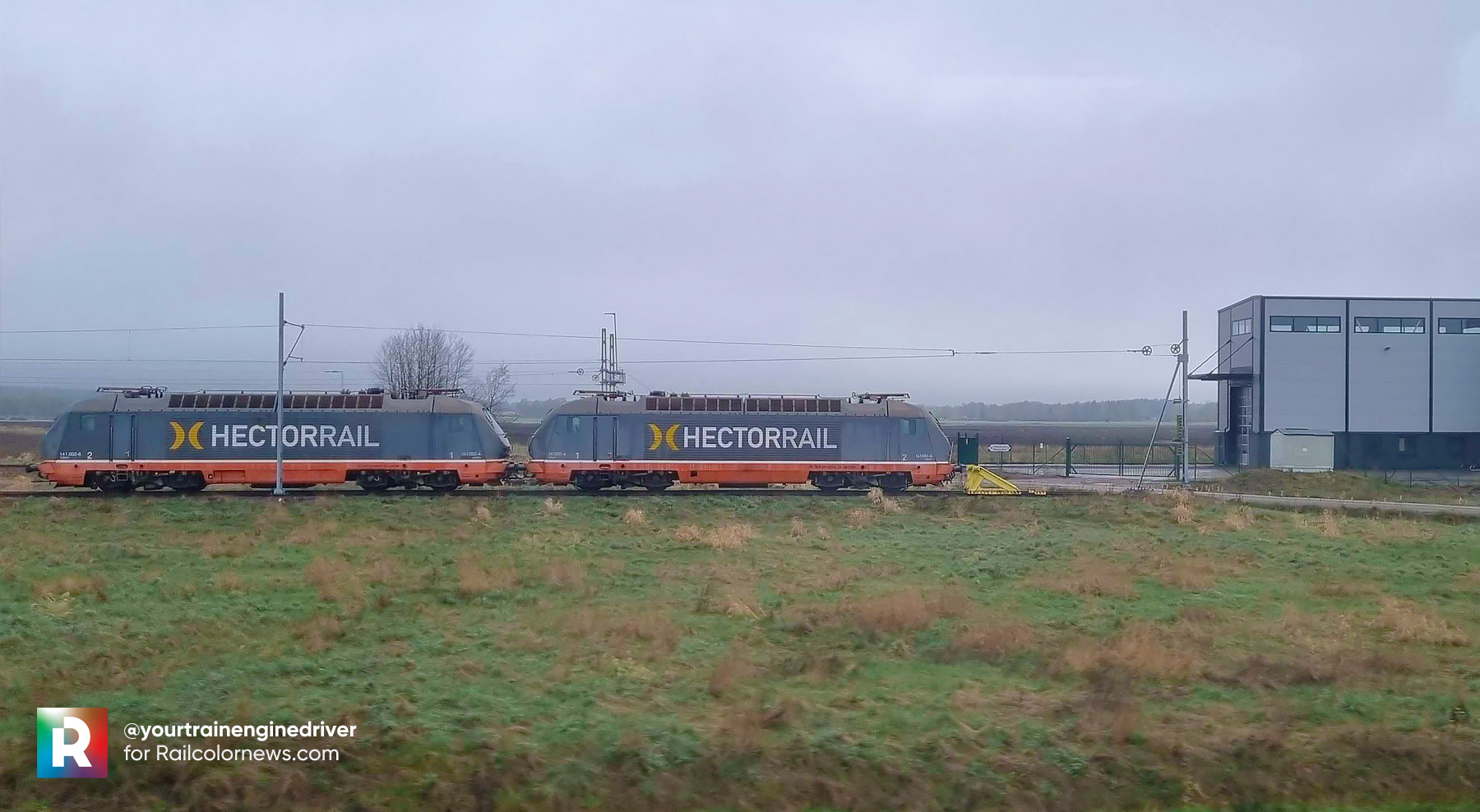
After years of storage and uncertainty, two of Austria’s rare Class 1012 electric locomotives are preparing for a return from Sweden to their country of origin. The initiative, known as the Rolling Home project, is being coordinated by the Austrian Rail Team and marks a significant step toward the preservation and potential future operation of one of Austria’s most technically ambitious locomotive classes.
We kindly thank Mr. Roland Reichart, Geschäftsführer / CEO ARTec & Rail Transport and leader of the Austrian Rail Team working on the return of the 1012s to Austria. You can learn more, and support this Rolling Home project on austrianrailteam.com or on youtube.com. This article is not sponsored.
Development and original purpose
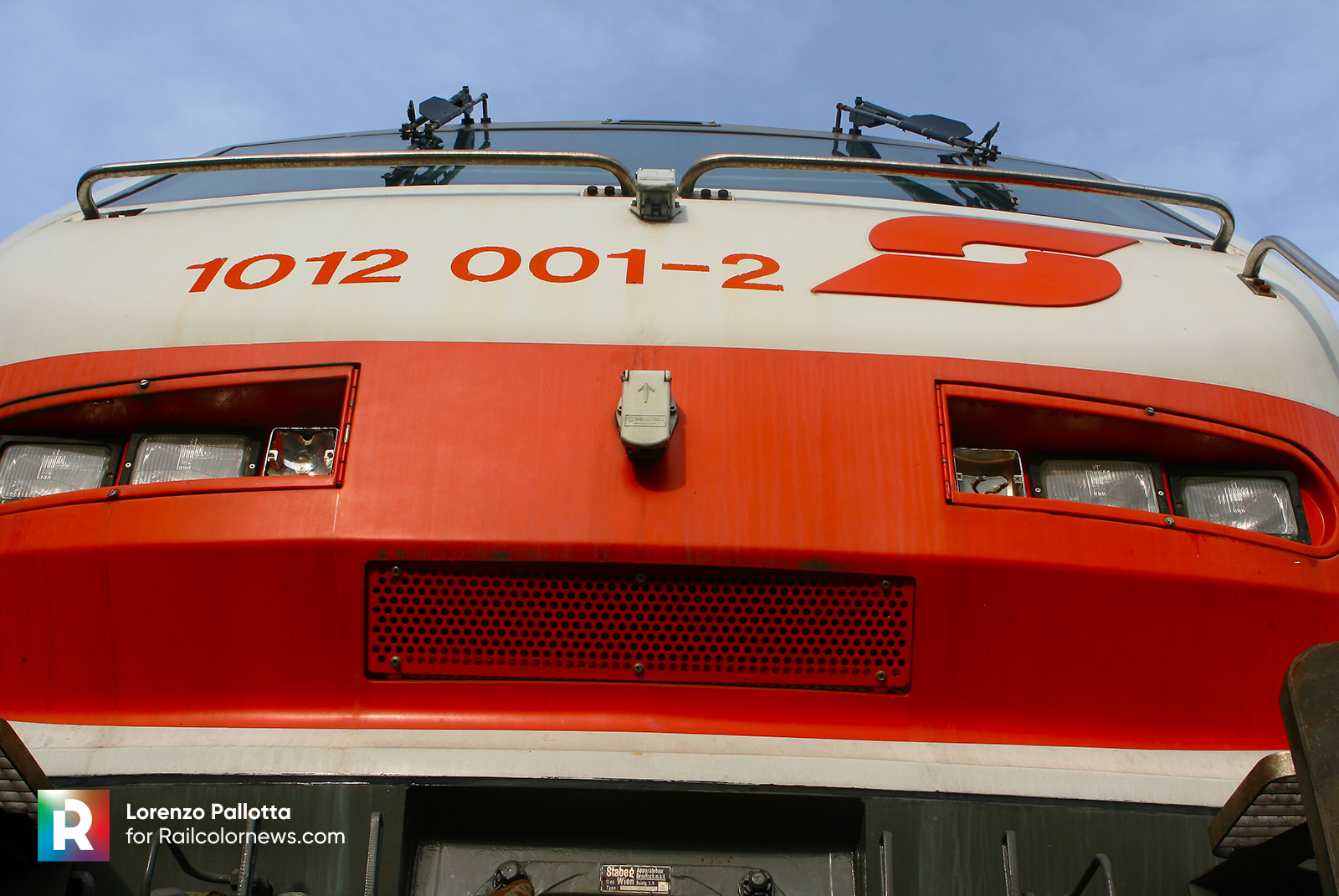
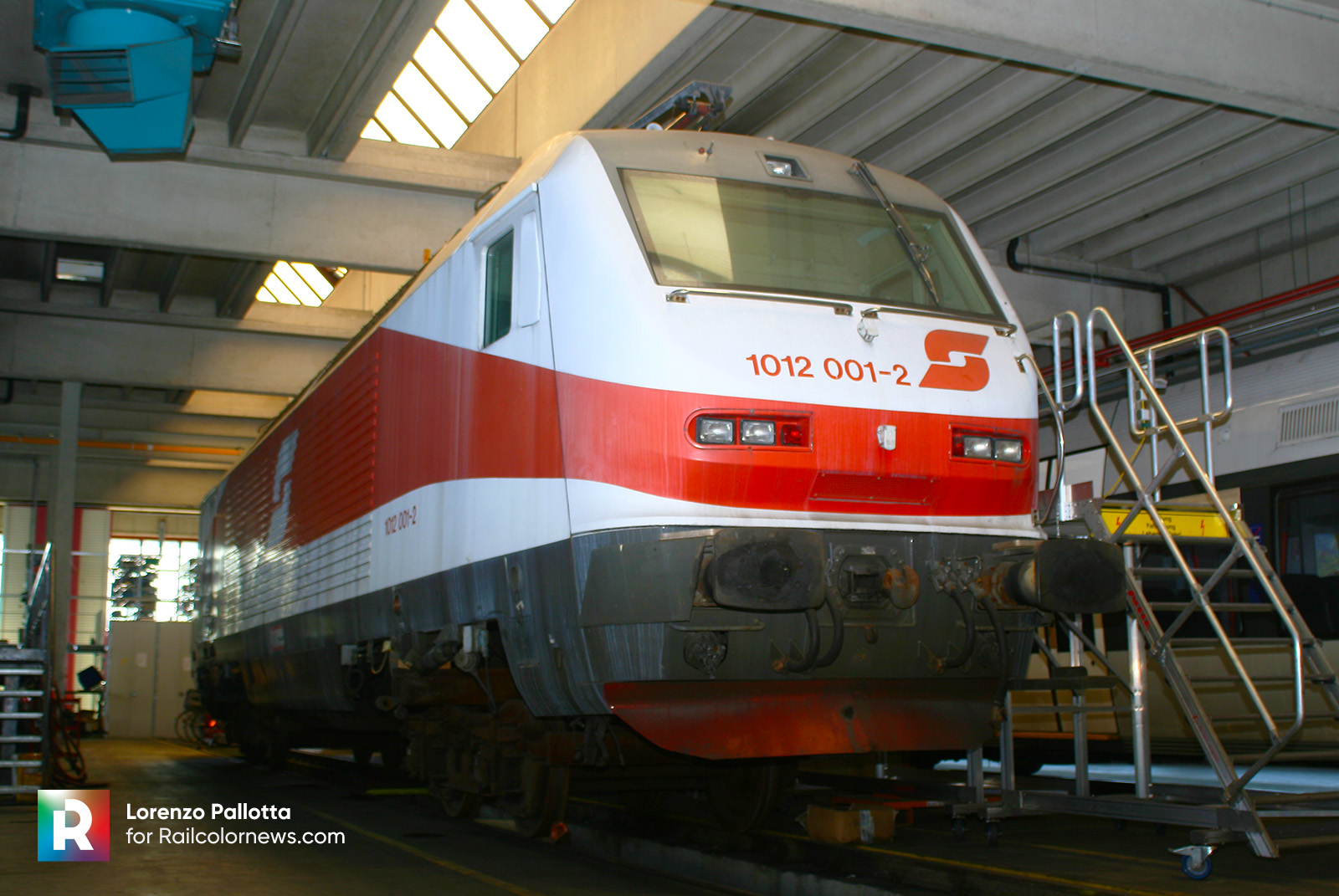
The Class 1012 locomotives were developed in the early 1990s by SGP-Verkehrstechnik (later Siemens Mobility) in cooperation with ÖBB. Designed as powerful 15 kV AC universal locomotives, only three prototypes were built. With a continuous output of 6.4 MW and a maximum authorised speed of 160 km/h with design provisions for higher speeds. The class represented cutting-edge technology at the time and was intended as a successor to the ÖBB Class 1044/1144 fleet.
Despite their advanced specifications, the locomotives never entered series production. Technical complexity, high operating costs, and changing strategic priorities within ÖBB (which eventually choose the much cheaper Siemens ES64U2 / class 1016/1116 locos) led to their withdrawal from regular service after a relatively short operational life. Certain components, including traction motors and control systems, were considered sensitive, contributing to a reputation for being difficult to maintain.

Sale and operation in Sweden
In 2007, following modifications and upgrades carried out by ÖBB Technical Services in Linz, all three locomotives were sold to Swedish freight operator Hector Rail. Reclassified as the Hector Rail Class 141, the locomotives operated in both freight and passenger services in Sweden, where they earned a reputation for strong performance and reliability. Over time, the locomotives were withdrawn from service and placed into storage in Sweden.
- 1012 001 became 141 001 (Ripley) – Named after Ellen Ripley from Alien
- 1012 002 became 141 002 (Kiddo) – Named after Beatrix Kiddo from Kill Bill
- 1012 003 became 141 003 (Starling) – Named after Clarice Starling from The Silence of the Lambs

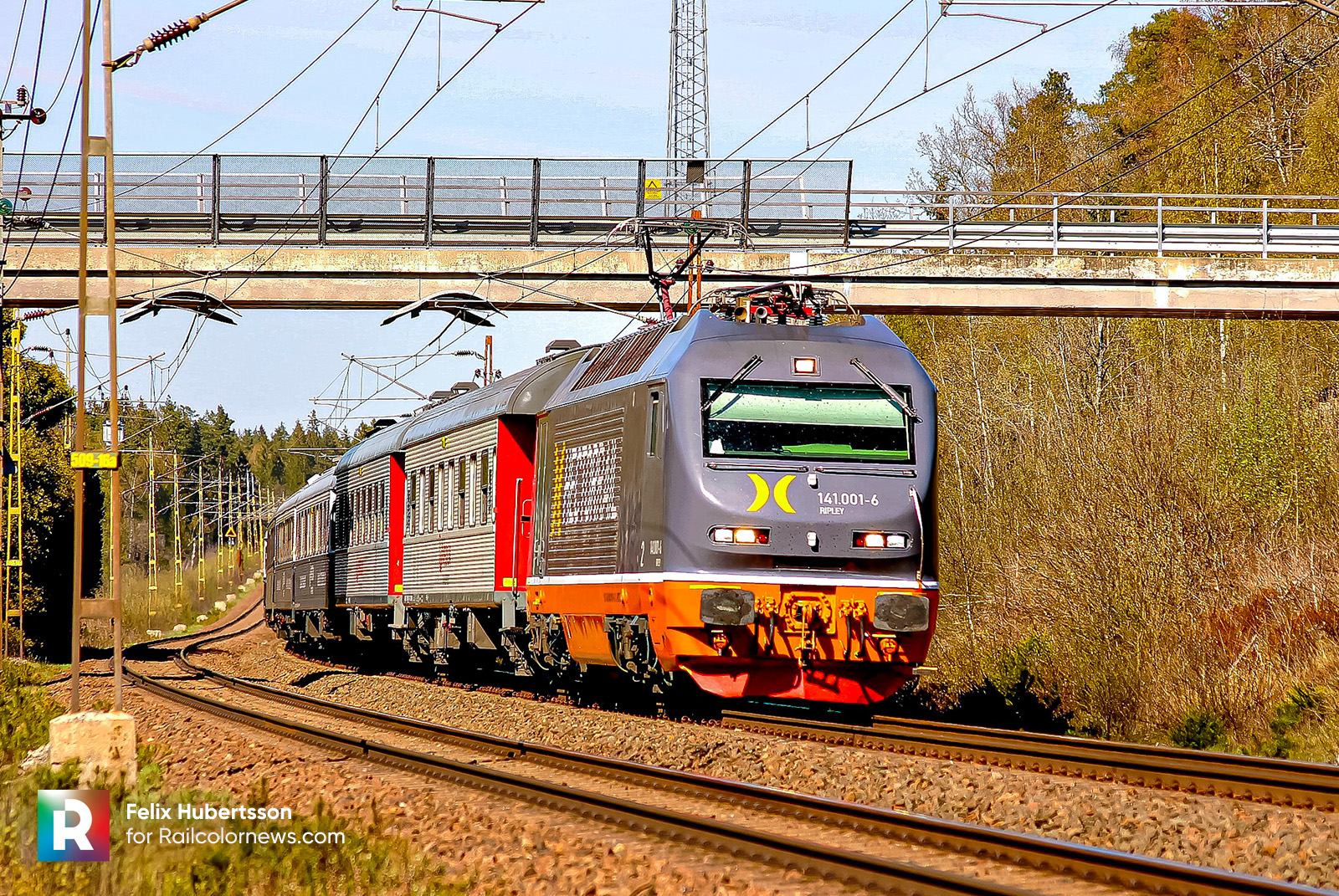
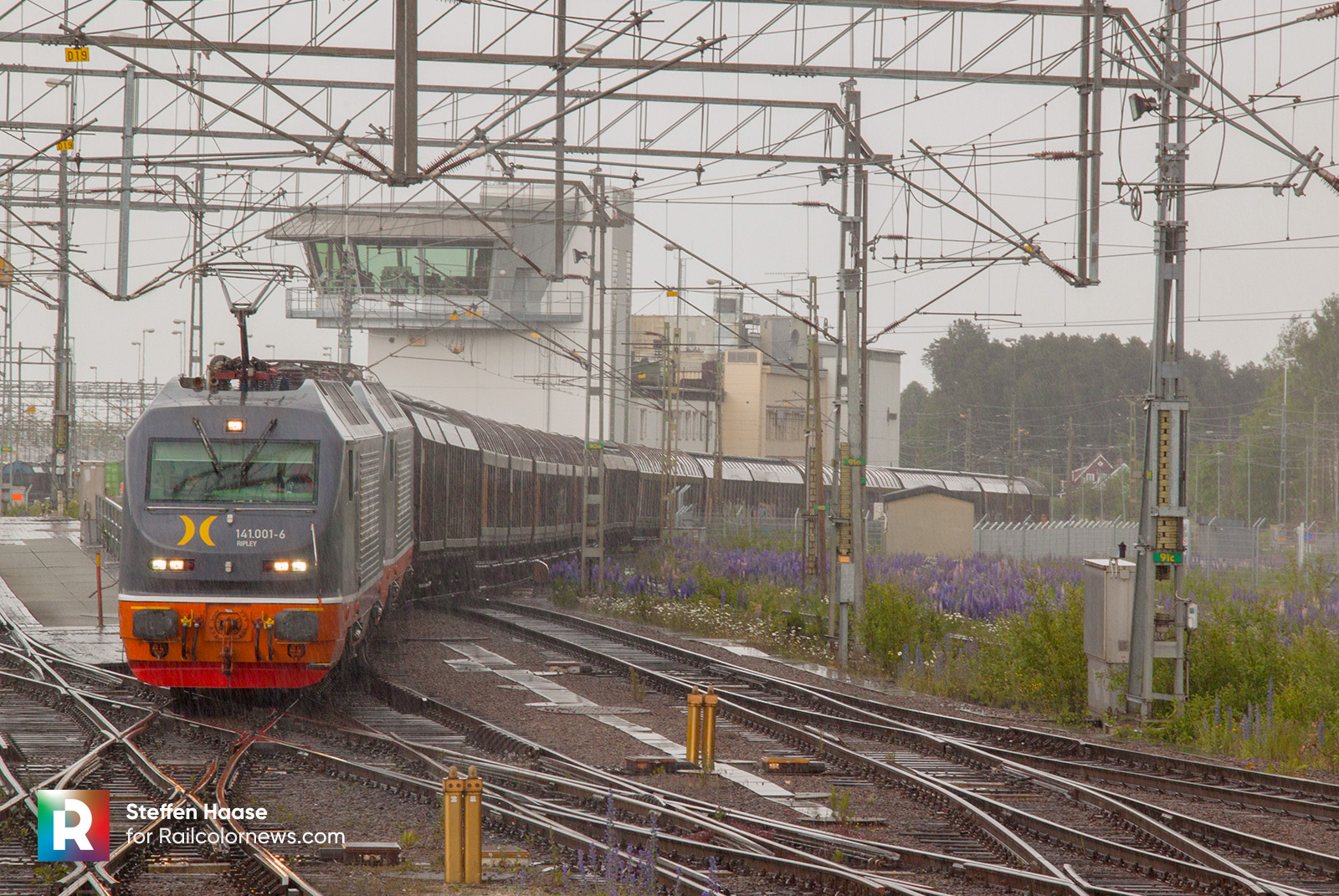

They served in freight and passenger operations, reaching the Swedish top speed limit of 160 km/h. Yet, time caught up with these iron queens: Starling was dismantled to provide vital spare parts (it had an accident in 2011). Ripley and Kiddo heroically reached nearly one million kilometres before being retired.
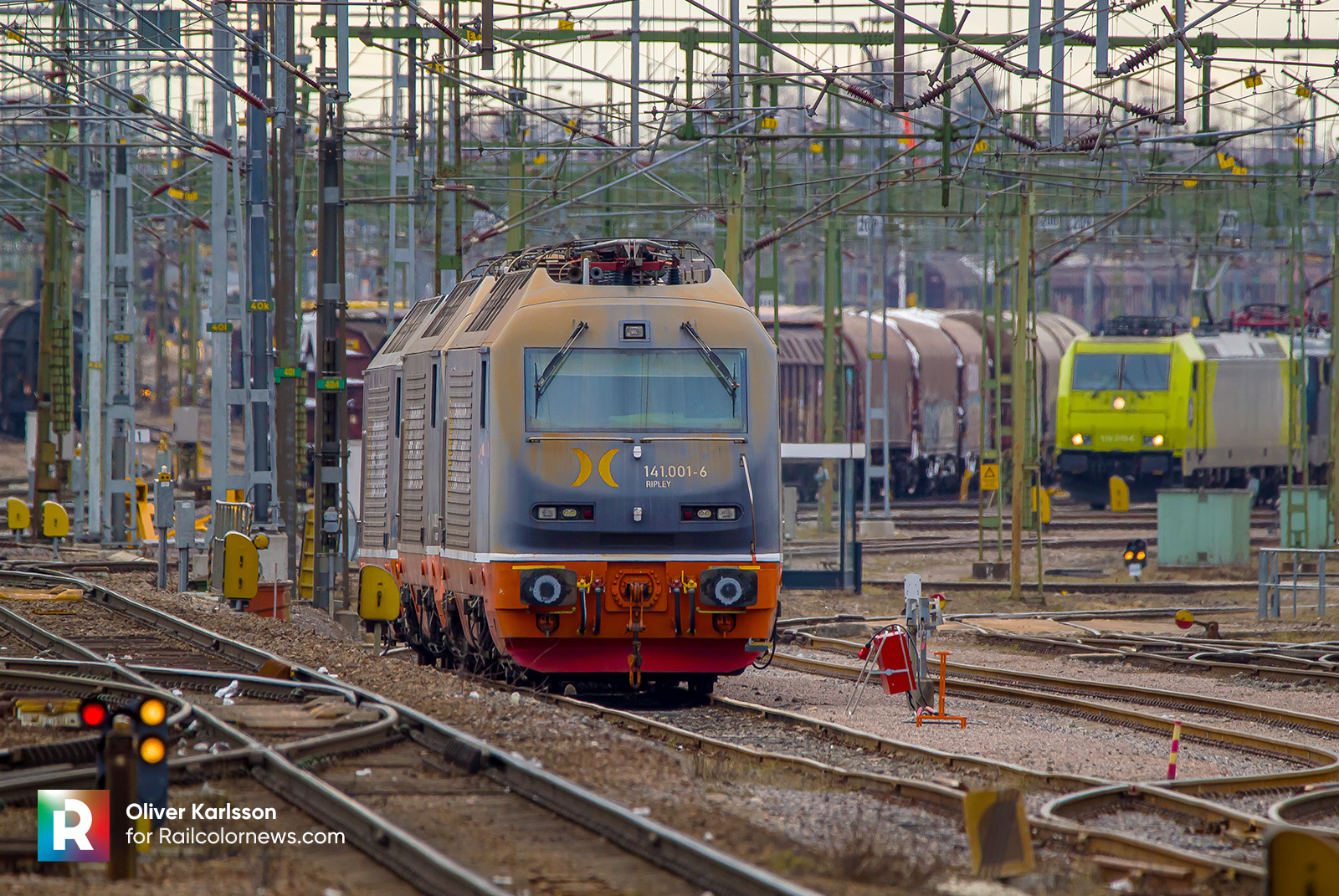
It is these two — 141 001 and 141 002 — that are now the focus of the Rolling Home project, which aims to return them to Austria for refurbishment and potential reactivation.
Inspections and return preparations
Extensive preparatory work has already been completed. Technical inspections were carried out at Hector Rail’s facilities in Hallsberg, including test runs and a review of available spare parts, some of which originate from unused ÖBB stock delivered to Sweden with the locomotives. Purchase negotiations have been concluded, and route planning for the transfer back to Austria is ongoing. Siemens Sweden has also been involved in assessing technical measures required for safe transport.
Technical compatibility and certification
From a technical standpoint, the Class 1012 differs significantly from other discontinued Austrian locomotive classes. The locomotives are already equipped with LZB and modern PZB systems, reducing the need for extensive retrofitting. GSM-R radio equipment is installed, requiring only software updates, and the locomotives are compatible with ÖBB infrastructure billing systems that account for actual energy consumption and regenerative braking. According to certification assessments, recommissioning is feasible from a safety and signalling perspective, while ETCS installation would depend on operational requirements and economic considerations.
The Rolling Home-project
The Rolling Home project was publicly presented at Modellbautage Tulln 2025, where it attracted attention from industry professionals, railway engineers, and enthusiasts. Former Siemens engineers involved in the original development have also shown interest in the initiative.
Financial and logistical preparations are continuing, with transport and refurbishment dependent on final technical approvals and secured funding. The project is structured in several phases. Initial work focuses on ensuring the locomotives are fit for transfer. Once returned to Austria, further refurbishment and overhaul activities are planned, involving specialist firms and technical partners. The long-term objective is to place the locomotives into controlled commercial operation for freight or special train services, rather than static preservation.
To be continued…
You can learn more, and support the Rolling Home project on austrianrailteam.com or on youtube.com.