Transport for London (TfL) has set out a programme of investment for the capital’s transport network, with a strong focus on rail. The draft Business Plan includes projects such as extending the Docklands Light Railway (DLR), progressing plans for a new Bakerloo line fleet, introducing new train fleets on the Piccadilly line and DLR, providing additional trains on the Elizabeth line, completing a full refurbishment of the Central line fleet, and replacing the ageing tram fleet.
Published on 28 January 2026, the draft Business Plan to 2029/30 outlines how TfL intends to modernise and expand London’s railways while supporting wider objectives around housing delivery, economic growth and decarbonisation.
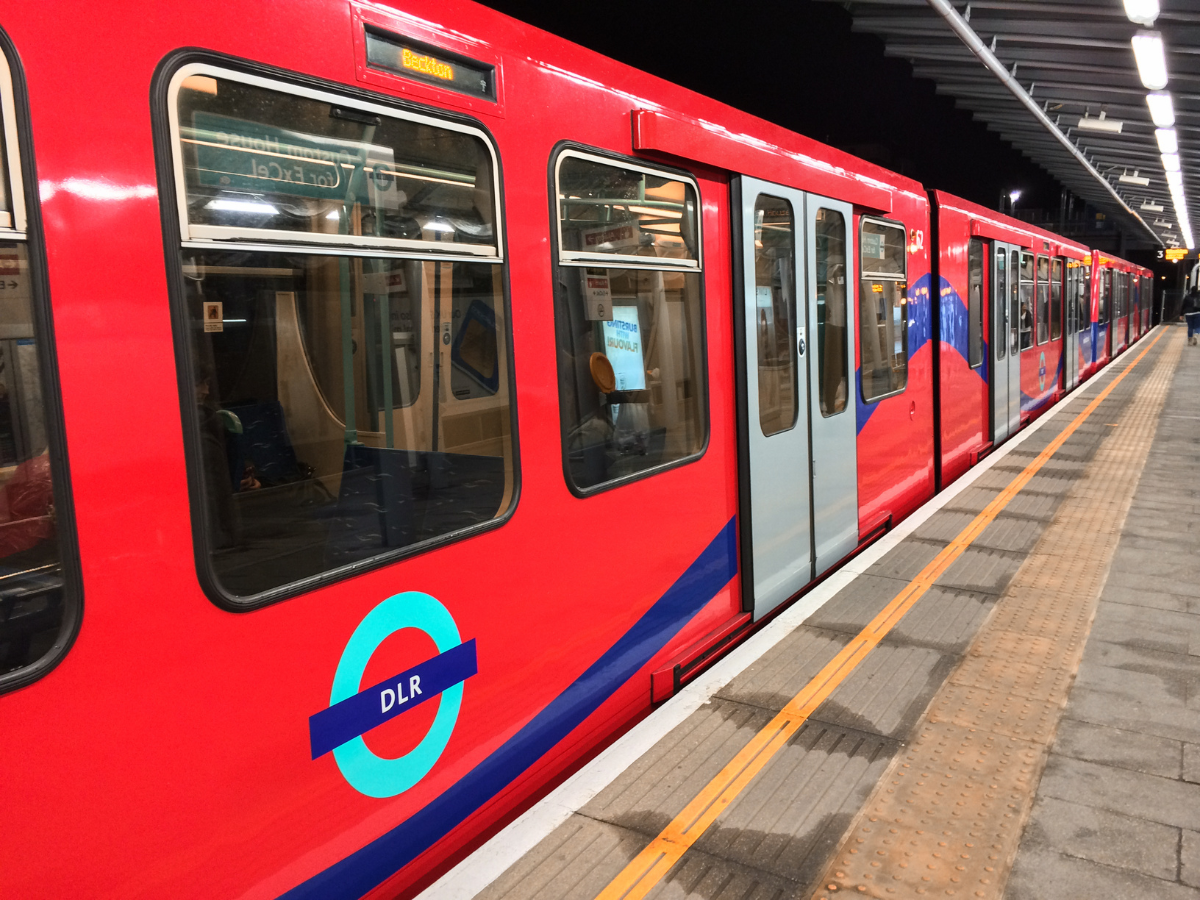
The DLR extension is designed to unlock major development sites on both sides of the river
© Canva
At the heart of the proposals is the extension of the DLR to Beckton Riverside and Thamesmead, a scheme that has recently received Government backing. TfL sees the project as critical to unlocking significant new housing and employment opportunities in east and south-east London, while improving connectivity to areas currently underserved by high-capacity rail.
London’s Transport Commissioner, Andy Lord, said:
Our new Business Plan is an ambitious programme for the future of London’s transport network. We have achieved significant progress on the commitments previously made, and this plan lays out our vision for the transport network.
This new plan sets out sustained investment in London’s vital transport infrastructure, which will improve the experience for millions of Londoners and visitors. It will see us increase investment in the vital renewal of our critical assets like stations, lifts and escalators, track, roads, bridges and other infrastructure. We will also make more stations step-free, reduce delays on our buses and road network, and continue to improve safety for everyone using our services.
Our investment will also support the wider London and UK economy, unlocking new homes and jobs through the delivery of new trains and infrastructure, reduced journey times and new innovations. Most importantly – this plan reflects the voices of our customers, businesses and colleagues, who have told us what is most important to them – services that are safe, accessible, frequent, reliable, green and as affordable as possible.
Rolling stock investment also features prominently. TfL confirms that plans are progressing for a new fleet for the Bakerloo line, addressing the challenges posed by trains that are among the oldest on the Underground. While funding and delivery timescales remain subject to further approvals, the inclusion of the Bakerloo line fleet in the Business Plan signals TfL’s intent to modernise the line as a precursor to future capacity and reliability improvements, and potentially to the long-discussed Bakerloo line extension to south-east London.
Elsewhere on the network, the plan reaffirms commitments to introduce new trains on the Piccadilly line and the DLR, provide additional rolling stock for the Elizabeth line, and complete a full refurbishment of the Central line fleet. TfL also intends to replace its ageing tram fleet, ensuring continued reliability and accessibility on the Tramlink network in south London.
Signalling and infrastructure renewals also remain a priority. The Business Plan includes the completion of new signalling on the District and Metropolitan lines, aimed at improving reliability and journey times. These upgrades form part of a broader programme of asset renewal covering track, stations, depots and power systems, which TfL argues is essential to maintaining performance across one of the world’s busiest urban rail networks.
Meanwhile, to enhance accessibility, TfL plans to complete step-free access works at Northolt and Leyton stations and continue major station upgrades, including further progress at Elephant & Castle. Subject to funding, work could also begin to transform South Kensington station, one of the most complex and heavily used interchange stations on the Underground. These schemes support the Mayor’s target for 50 percent of Tube stations to be step-free.
Beyond committed schemes, the draft plan reiterates TfL’s support for longer-term rail projects, including the Bakerloo line extension, the transfer of Great Northern services from Moorgate to Stevenage and Hertford North to London Overground, and the proposed West London Orbital route between Hounslow and Hendon via Old Oak Common. While these projects are not yet fully funded, TfL positions them as essential to meeting future demand and supporting growth in Opportunity Areas.
Rail investment sits within a broader transport strategy that also encompasses buses, roads, walking and cycling. TfL argues that sustained funding across all modes is necessary to deliver an integrated network that is greener, more reliable and more accessible.
Mayor of London, Sadiq Khan, said:
I’m hugely proud of what we have achieved improving transport across London over the last 10 years – but we must never be complacent, so this plan sets out sustained investment to continue making it safer, greener and fairer for everyone.
I’m pushing forward with my proposals to transform Oxford Street into a pedestrian-friendly, world-class retail & leisure destination, as well as supporting the delivery of new affordable housing and jobs with the DLR extension to Beckton Riverside and Thamesmead, following Government backing in the Autumn Budget. We’re also continuing our work to modernise the Tube, cut congestion and bus journey times, improve safety and accessibility across the transport network, invest in high-quality walking and cycling infrastructure and eliminate death and serious injury from London’s roads.
We know that investing in our transport network not only supports jobs and economic growth in London but also benefits the whole UK, which is why I’ll continue to make the positive case for longer-term projects that could transform the future of transport in the capital as we continue building a better London for all.
The draft Business Plan will be considered by the TfL Board on 4 February 2026. Its final shape, and the pace at which major rail projects can be delivered, will depend heavily on long-term funding settlements with Government, but the document sets out a clear statement of intent: rail remains at the core of TfL’s vision for London’s transport future.